
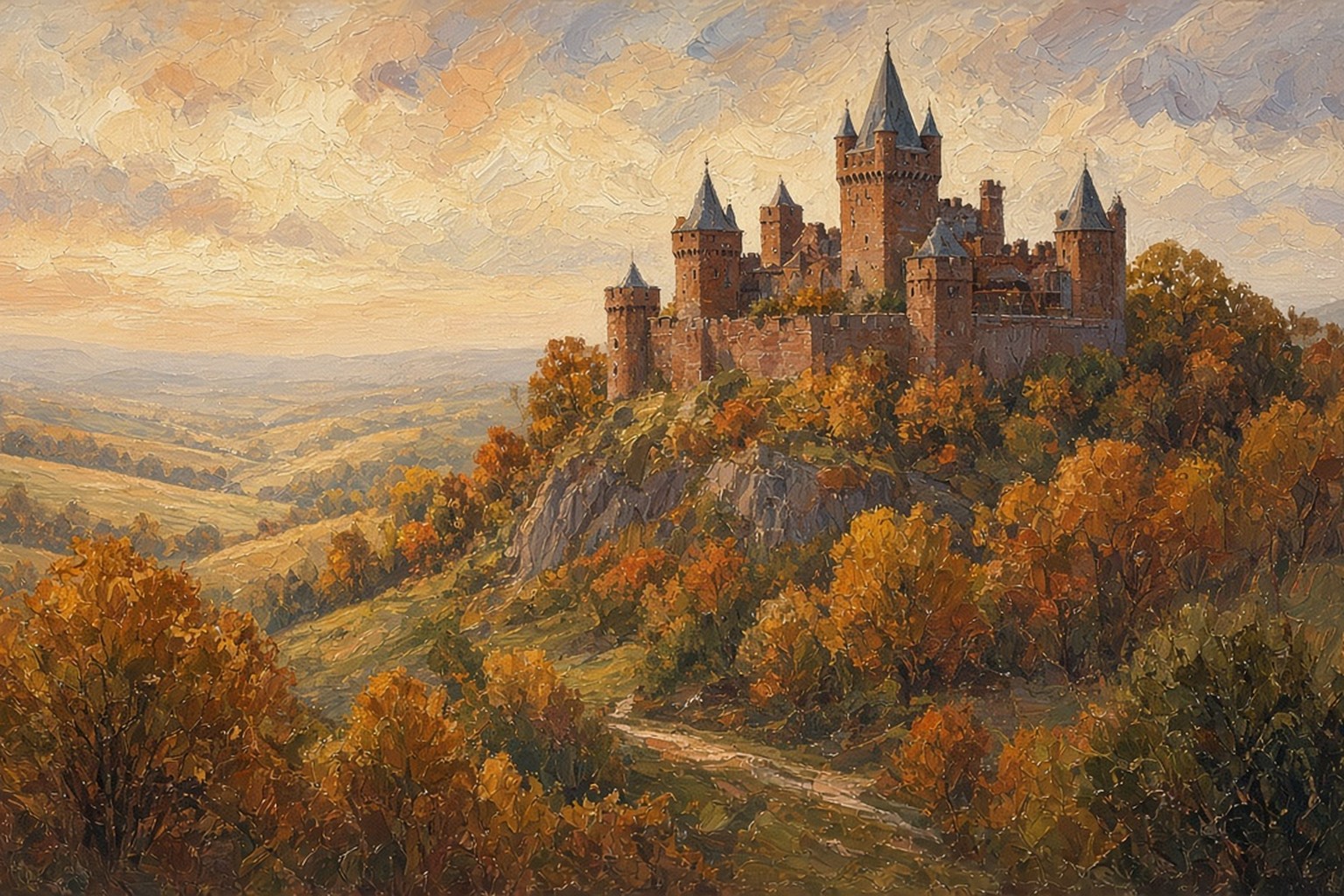
Poland is a Central European country stretching from the Baltic Sea to the Carpathian Mountains, known for its resilient history, medieval cities, and rich cultural traditions. Often praised as a land of poets, composers, and rebuilders, it has emerged from centuries of partition and conflict as a modern democracy with a strong sense of identity. With its castles, forests, and vibrant cities, Poland is one of Europe’s most rewarding destinations.
Geography and Climate
Poland covers about 313,000 square kilometers in the heart of Central Europe, bordered by Germany, Czechia, Slovakia, Ukraine, Belarus, Lithuania, and Russia’s Kaliningrad region, with a Baltic coastline to the north. Warsaw is the capital and largest city, while Kraków, Gdańsk, Wrocław, and Poznań are major historic and economic centers.
The landscape is largely lowland, with lakes and forests in the northeast, fertile plains in the center, and the Tatra and Sudeten mountains along the southern border. The Vistula and Oder rivers flow north toward the Baltic, shaping cities and trade routes for many centuries.
The climate is temperate, with warm summers, cold snowy winters, and colorful autumns that paint forests gold and red. National parks such as Białowieża protect ancient woodland and Europe’s largest remaining herd of wild bison, a living emblem of the country’s natural heritage.
History and Independence
Poland’s roots reach to the baptism of Duke Mieszko I in 966, traditionally marking the birth of the Polish state. The medieval kingdom flourished under the Piast and Jagiellonian dynasties, and in union with Lithuania it became one of Europe’s largest powers, famed for religious tolerance and the elective monarchy of the Polish-Lithuanian Commonwealth.
In the late eighteenth century Poland was partitioned by Russia, Prussia, and Austria and vanished from the map for more than a century. Independence was restored on 11 November 1918 after the First World War, only for the Second World War to bring invasion, occupation, and immense loss of life, including the horror of the Holocaust on Polish soil.
After decades of communist rule following 1945, the Solidarity trade union movement led by Lech Wałęsa helped spark the peaceful transitions of 1989. Poland joined NATO and later the European Union, rebuilding its cities and economy while honoring a history of courage and endurance.
Economy and Natural Resources
Poland has one of the largest economies in Central Europe, driven by manufacturing, services, agriculture, and a growing technology sector. Coal, copper, silver, and fertile farmland have long underpinned industry and exports, while Warsaw has become a major financial hub for the region.
Automotive plants, appliances, furniture, and food processing are important pillars of industry, and the country is a significant producer of apples, dairy, and poultry. Baltic ports such as Gdańsk and Gdynia link Poland to global shipping routes across northern Europe.
The national currency is the złoty. Membership in the European Union has attracted investment and infrastructure funding, helping modernize roads, railways, and cities while small businesses and startups continue to expand in every region.
Culture and Language
Polish is a West Slavic language written in the Latin alphabet and spoken by nearly the entire population, with strong literary and poetic traditions that span many centuries. Catholic faith has shaped festivals, holidays, and national identity, from Christmas Wigilia feasts to joyful Easter celebrations.
Poland has given the world figures such as Frédéric Chopin, Marie Skłodowska-Curie, and the poets Adam Mickiewicz and Wisława Szymborska. Folk traditions survive in colorful costumes, mountain music of the highlanders, and dances such as the mazurka and polonaise performed at festivals.
Hospitality, family gatherings, and a love of history run deep in everyday life. Museums, theaters, and film festivals thrive in Warsaw and Kraków, while pierogi-making and name-day celebrations remain cherished customs in homes across the country.
Food and Cuisine
Polish cuisine is hearty and comforting, built on potatoes, cabbage, beets, pork, and forest mushrooms gathered in season. Pierogi, dumplings filled with potato and cheese, meat, or fruit, are the country’s most beloved dish and appear on tables from everyday kitchens to the grandest holiday feasts.
Other classics include bigos, a hunter’s stew of cabbage and meat, barszcz beet soup often served with dumplings, and breaded pork cutlets enjoyed with cabbage sides. Pastries, poppy-seed cakes, and vodka accompany celebrations, while regional specialties from the mountains and Baltic coast add welcome variety to the national table.
Tourism and Attractions
Kraków’s medieval Old Town and Wawel Castle, both part of a UNESCO World Heritage Site, are among Europe’s most beautiful historic centers. Warsaw’s painstakingly reconstructed Old Town, also UNESCO-listed, stands as a symbol of postwar rebirth, while Gdańsk’s colorful port façades recall the Hanseatic past and the birth of Solidarity.
The Wieliczka Salt Mine near Kraków, Malbork Castle of the Teutonic Knights, and the wooden churches of southern Poland draw history lovers from afar. In the mountains, Zakopane and the Tatras offer hiking and skiing, and the Masurian Lake District invites sailing and quiet nature escapes.
Memorial sites such as Auschwitz-Birkenau ensure that the darkest chapters of the twentieth century are never forgotten by visitors or future generations. Meanwhile modern cities hum with cafés, museums, and festivals that welcome travelers warmly year-round.
Challenges and Opportunities
Poland faces challenges including demographic change, the need to transition away from coal, and regional inequalities between booming cities and some rural areas. Energy security and balancing growth with environmental protection are ongoing priorities for policymakers and communities alike.
At the same time, a skilled workforce, strong industrial base, and strategic location in Europe create clear opportunities for the future. Investment in clean energy, innovation, and tourism can support continued prosperity while Poland preserves its forests, heritage cities, and hard-won freedom.
A Land of Resilience and Renaissance
Poland is a country that has risen again and again, rebuilding castles, cities, and communities with quiet determination and pride. From Chopin’s melodies to the amber shores of the Baltic and the snowy Tatras, it offers a deep well of culture and beauty. Proud, welcoming, and full of renewed energy, Poland stands as a heartland of European resilience and renaissance.