
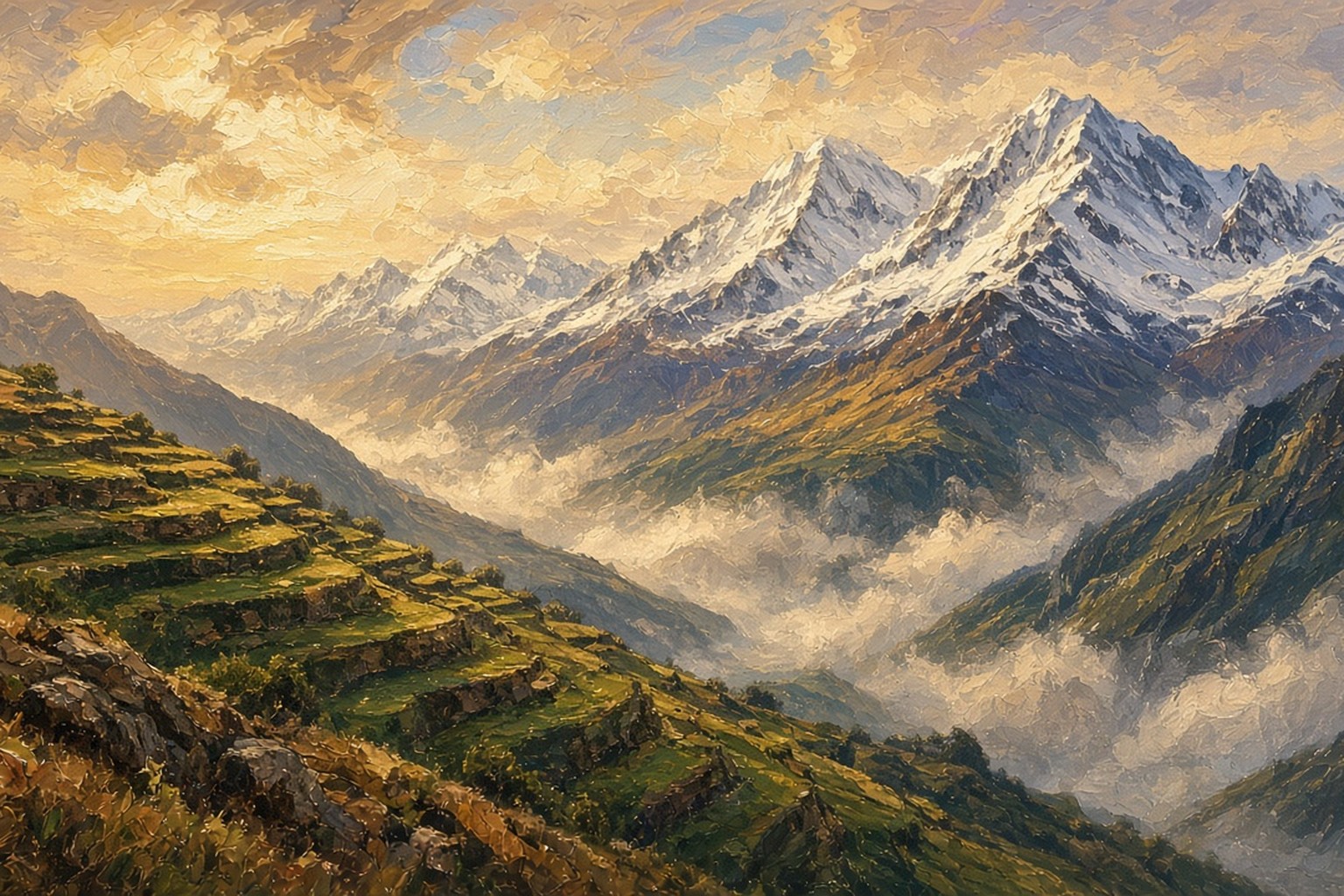
Peru is a vast Andean nation on South America’s Pacific coast, famed for the Inca citadel of Machu Picchu, the Amazon rainforest, and one of the world’s great cuisines. Often called the “Land of the Incas,” it blends ancient civilizations, colonial cities, and dramatic landscapes that stretch from snowy peaks to desert coast and tropical jungle. With its rich cultural heritage, welcoming people, and breathtaking scenery, Peru is one of Latin America’s most captivating destinations.
Geography and Climate
Peru covers about 1.3 million square kilometers and is the third-largest country in South America. It is bordered by Ecuador, Colombia, Brazil, Bolivia, and Chile, with a long Pacific coastline to the west and the Andes Mountains running like a spine through its heart.
Three natural regions define the country: the arid Costa along the Pacific, the highland Sierra of the Andes, and the humid Selva of the Amazon basin. Lake Titicaca, shared with Bolivia, is one of the highest navigable lakes in the world, and the mighty Amazon River begins its journey among Peru’s eastern slopes.
The climate varies sharply with altitude and region, from cool highland air around Cusco to tropical heat in the rainforest and mild desert conditions along the coast. Condors soar above deep canyons, while the coastal waters of the Humboldt Current support rich marine life and vast seabird colonies along rocky shores.
History and Independence
Long before the Incas, cultures such as the Chavín, Moche, Nazca, and Chimú built temples, roads, and irrigation systems along the coast and highlands. The Inca Empire later united much of the Andes from its capital at Cusco, creating a vast network of roads, storehouses, and agricultural terraces that still impress visitors today.
Spanish conquistadors led by Francisco Pizarro captured the Inca emperor Atahualpa in 1532 and founded Lima in 1535 as the seat of colonial power. For nearly three centuries Peru was a rich viceroyalty, sending silver from Potosí and other mines across the Spanish Empire.
Independence movements swept South America in the early nineteenth century, and Peru proclaimed independence on 28 July 1821 under General José de San Martín. Final victory came after the Battle of Ayacucho in 1824, and the young republic has since shaped a complex modern history marked by both hardship and deep cultural pride.
Economy and Natural Resources
Mining is central to Peru’s economy, and the country is among the world’s leading producers of copper, gold, silver, and zinc. The Andes hold vast mineral wealth that drives exports and foreign investment, while fishing along the Pacific coast yields anchovies and other seafood for global markets.
Agriculture ranges from highland potatoes and quinoa to coastal asparagus, grapes, and avocados grown for export. Coffee and cacao from the eastern slopes are also important, and tourism centered on Machu Picchu and Cusco brings significant income to highland communities.
Lima is the commercial and financial hub, and the national currency is the sol. In recent decades Peru has diversified into manufacturing, services, and gastronomy, with its restaurants and chefs winning international acclaim around the world.
Culture and Language
Spanish is the official language most widely used, while Quechua and Aymara are also official and spoken by millions, especially in the Andes. Indigenous traditions remain strong in festivals, textiles, music, and daily life across the highlands and Amazon regions.
Colorful dances and celebrations such as Inti Raymi, the Inca Festival of the Sun in Cusco, and the Virgin of Candelaria feast in Puno draw crowds every year. Andean music featuring panpipes, charangos, and drums is heard from village plazas to concert halls far beyond Peru.
Peruvian art spans ancient pottery and woven textiles to colonial baroque churches and contemporary painting. A deep respect for family, community, and ancestral heritage shapes social life from the Pacific coast to highland villages and the rainforest.
Food and Cuisine
Peruvian cuisine is celebrated worldwide for its diversity and creativity, blending Indigenous, Spanish, African, Chinese, and Japanese influences. Ceviche, raw fish marinated in citrus with chili and onions, is the national dish and a proud symbol of coastal cooking.
Other favorites include lomo saltado, a stir-fry of beef with soy sauce and fries reflecting Chinese-Peruvian chifa tradition, and causa, a layered potato dish often filled with seafood or chicken. Highland staples such as quinoa, potatoes, and roasted guinea pig remain important, while Lima’s restaurants lead a global culinary boom that draws food lovers from every continent.
Tourism and Attractions
Machu Picchu, the iconic Inca citadel perched above the Urubamba Valley, is Peru’s most famous landmark and a UNESCO World Heritage Site. Nearby Cusco and the Sacred Valley offer colonial plazas, Inca ruins, and mountain villages that introduce travelers to Andean life.
The Nazca Lines etched into the southern desert, the colonial mansions of Arequipa, and the floating reed islands of Lake Titicaca are among many other highlights. In the Amazon, lodges near Iquitos and Puerto Maldonado offer wildlife viewing in one of Earth’s most biodiverse regions.
Lima combines Pacific beaches, museums, and world-class dining, while Colca Canyon invites hikers to watch Andean condors soar above deep valleys. From desert coast to highland trails and Amazon lodges, Peru rewards every kind of traveler with unforgettable journeys.
Challenges and Opportunities
Peru faces challenges including inequality between urban and rural areas, environmental pressures from mining and deforestation, and the need to protect Indigenous lands and cultural sites. Infrastructure gaps and natural disasters such as earthquakes and El Niño floods also test the nation’s resilience year after year.
At the same time, a young population, rich natural resources, and a booming culinary and tourism sector offer strong opportunities. Sustainable mining, conservation of the Amazon and Andes, and investment in education can help Peru grow while preserving its extraordinary heritage for future generations.
Where the Andes Meet the Amazon
Peru is a land where ancient stone terraces climb toward snowy peaks and jungle rivers wind toward the Atlantic. From the mysteries of Machu Picchu to the flavors of Lima’s markets and the songs of Quechua villages, it invites the world to discover a civilization that never stopped creating. Proud, diverse, and endlessly surprising, Peru stands among South America’s greatest treasures.