
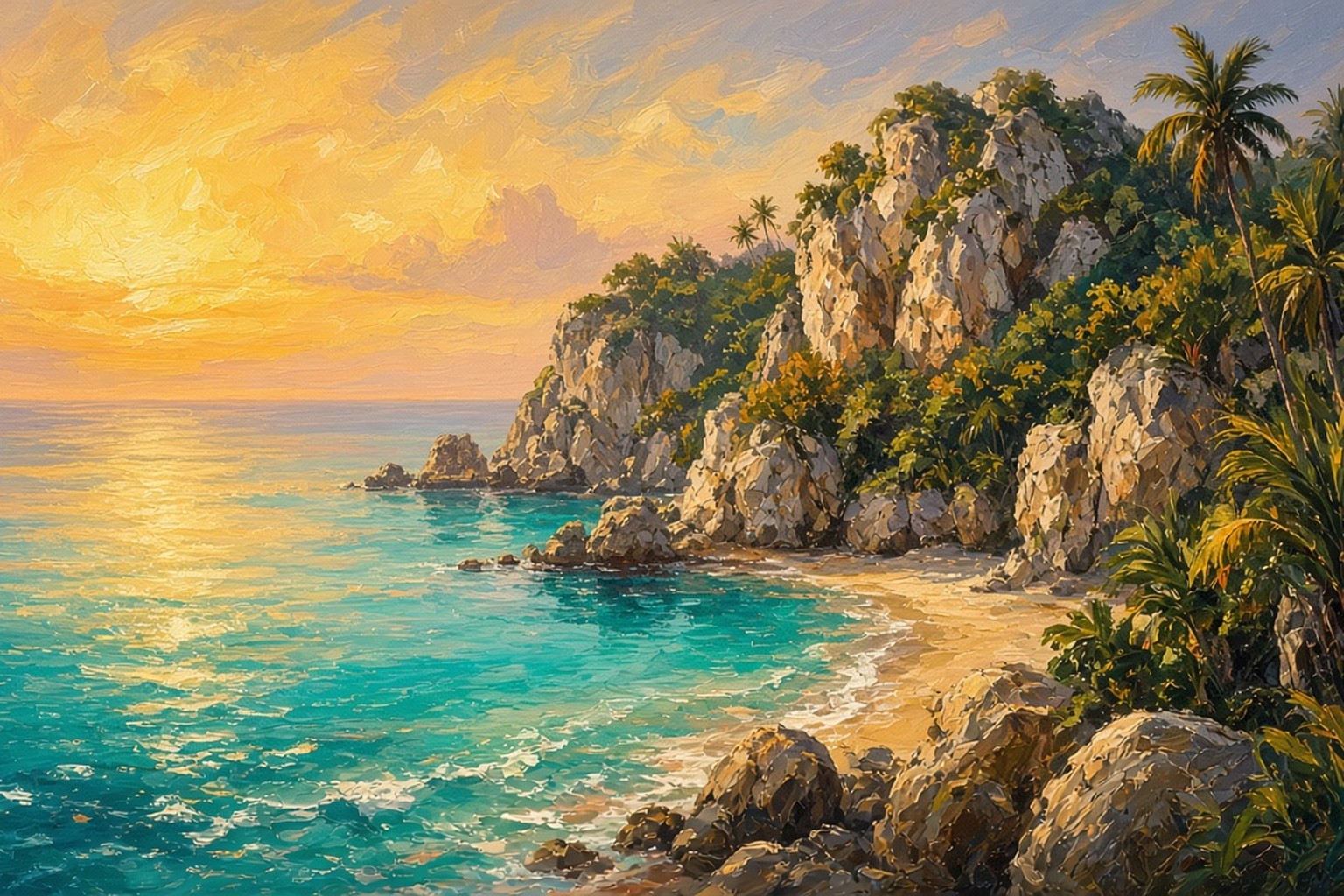
The Philippines is an archipelago of more than seven thousand islands in Southeast Asia, stretching between the Pacific Ocean and the South China Sea. Often called the “Pearl of the Orient,” it is known for white-sand beaches, vibrant festivals, warm hospitality, and a culture shaped by Indigenous roots, Spanish colonial heritage, and American influence. With its tropical beauty, resilient people, and lively cities, the Philippines is one of Asia’s most welcoming, vibrant, and unforgettable destinations.
Geography and Climate
The Philippines covers about 300,000 square kilometers of land spread across thousands of islands, of which Luzon, Visayas, and Mindanao are the main island groups. Manila, the capital, sits on Luzon’s western shore, while other major cities include Cebu, Davao, and Quezon City within the greater capital region that millions call home.
The landscape ranges from volcanic mountains and ancient rice terraces to coral reefs, limestone cliffs, and mangrove coasts. The country lies on the Pacific Ring of Fire, so volcanoes such as Mayon and Taal are part of daily life, and earthquakes remain a familiar natural risk for many communities.
A tropical climate brings a rainy season roughly from June to November and a drier season from December to May, with typhoons often sweeping in from the Pacific. Lush forests, rich marine life, and fertile volcanic soils support extraordinary biodiversity on land and beneath the surrounding seas.
History and Independence
Long before European contact, Austronesian peoples settled the islands, building trading societies linked to China, India, and neighboring Southeast Asian kingdoms. Spanish expeditions arrived in the sixteenth century, and Miguel López de Legazpi established a lasting colony with Manila as its capital in 1571.
For more than three centuries Spanish rule spread Christianity, colonial towns, and a shared identity, while resistance simmered among Filipinos seeking greater freedom. The Philippine Revolution of 1896 and the declaration of independence on 12 June 1898 marked a turning point, though sovereignty was soon contested by the United States after the Spanish-American War.
American administration lasted until full independence was achieved on 4 July 1946. The young republic endured occupation during the Second World War, later dictatorship under Ferdinand Marcos, and the peaceful People Power Revolution of 1986 that restored democracy, a milestone still celebrated with pride across the nation.
Economy and Natural Resources
The Philippine economy rests on services, manufacturing, agriculture, and a large overseas workforce whose remittances support millions of families at home. Business process outsourcing, electronics assembly, and tourism are major growth sectors, while Manila and Cebu serve as key commercial and transport hubs for the wider region.
Natural resources include nickel, copper, gold, fertile farmland, and rich fishing grounds that feed both local markets and exports. Coconut, rice, bananas, and sugarcane remain important crops, and the country’s coral reefs and beaches underpin a thriving travel industry.
The national currency is the Philippine peso. A young, English-speaking population and strong cultural ties abroad help the country compete in global services and attract investment in technology, infrastructure, and renewable energy projects.
Culture and Language
Filipino, based largely on Tagalog, and English are the official languages, while dozens of regional languages such as Cebuano, Ilocano, and Hiligaynon thrive across the islands. This linguistic diversity reflects centuries of local kingdoms, migrations, and distinct island identities.
Catholic traditions shape festivals like Sinulog in Cebu, Ati-Atihan in Aklan, and the Black Nazarene procession in Manila, filling streets with music, dance, and devotion. Family bonds are central to daily life, and warm hospitality toward guests is a lasting point of national pride.
Music and entertainment flourish through karaoke, original pop, and a lively film and television scene that reaches audiences worldwide. Indigenous arts, weaving, and martial traditions such as arnis coexist with Spanish-era churches and modern city culture in a uniquely Filipino blend.
Food and Cuisine
Filipino cuisine is hearty, savory, and shaped by Malay, Chinese, Spanish, and American influences gathered carefully over many centuries. Adobo, meat or seafood simmered in vinegar, soy sauce, garlic, and spices, is often called the national dish and varies lovingly from kitchen to kitchen.
Other favorites include sinigang, a sour tamarind-based soup, lechón, whole roasted pig served at celebrations, and lumpia spring rolls enjoyed as street food or party fare. Rice is the staple of every meal, and sweet treats such as halo-halo layered desserts cool the tropical heat on busy afternoons.
Tourism and Attractions
Palawan’s limestone lagoons and the underground river at Puerto Princesa, a UNESCO World Heritage Site, draw travelers from around the world. The Chocolate Hills of Bohol, the rice terraces of the Cordilleras, and Boracay’s famous white beach are among the country’s most beloved sights.
Intramuros, the old walled city of Manila, and the historic churches of Cebu and Vigan preserve Spanish colonial heritage for visitors and locals alike. Divers flock to Tubbataha Reef and Apo Island, while surfers and island-hoppers explore Siargao and the scattered Visayan islands.
From volcano hikes on Luzon to whale-shark encounters in Donsol, the Philippines offers adventure, culture, and beach life in equal measure. Each island group reveals its own flavors, festivals, and landscapes waiting to be discovered.
Challenges and Opportunities
The Philippines faces challenges from frequent typhoons, earthquakes, and volcanic activity, as well as poverty in some regions, infrastructure gaps, and environmental pressures on forests and coral reefs. Political reform and more inclusive economic growth remain important ongoing goals for the nation.
Yet a dynamic young population, a growing digital economy, and world-class natural attractions create real opportunity for the years ahead. Investment in disaster resilience, renewable energy, and sustainable tourism can help the archipelago prosper while protecting its precious islands and seas.
An Archipelago of Seven Thousand Islands
The Philippines is a constellation of islands where coral reefs meet volcanoes and fiestas fill the streets with color and song. From the rice terraces of the Cordilleras to the turquoise lagoons of Palawan and the warmth of every welcome, it invites the world to share its generous spirit. Resilient, joyful, and endlessly varied, the Pearl of the Orient shines brightly across Southeast Asia.