
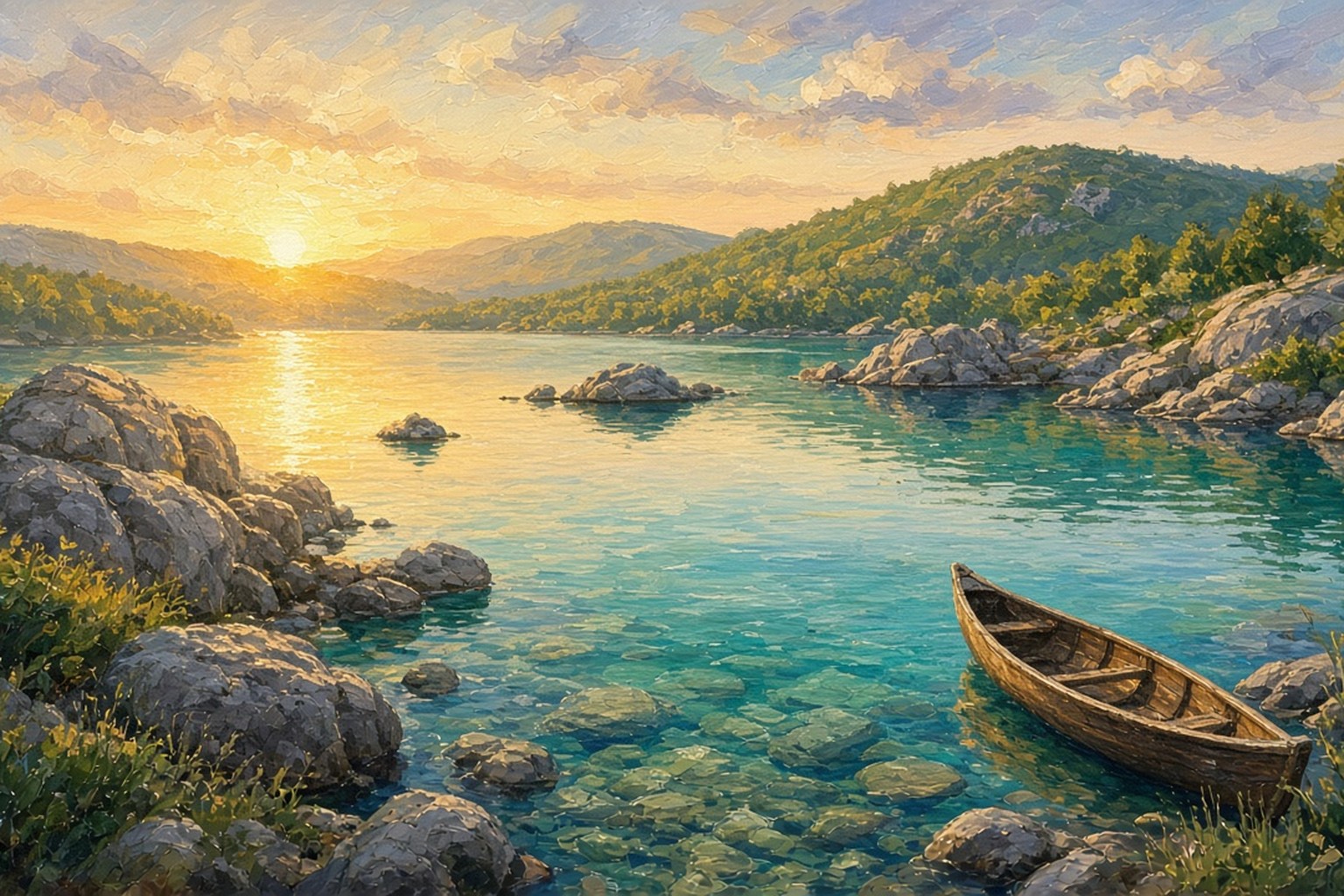
Malawi is a landlocked country in southeastern Africa, famous for the sparkling waters of Lake Malawi and the friendliness of its people. Known as the “Warm Heart of Africa,” it offers beautiful lakeshores, highland plateaus, and growing wildlife reserves. With its peaceful atmosphere and rich traditions, Malawi is a rewarding destination for travelers seeking authentic experiences.
Geography and Climate
Malawi covers about 118,000 square kilometers, a significant part of which is taken up by Lake Malawi. It is bordered by Zambia to the west, Tanzania to the north and northeast, and Mozambique to the east, south, and southwest.
The country lies along the southern end of the Great Rift Valley, and Lake Malawi stretches for nearly 600 kilometers along its eastern side. The Shire River flows out of the lake toward the Zambezi. Highlands include the Nyika Plateau in the north, the Zomba Plateau in the south, and the Mulanje Massif, whose Sapitwa Peak rises to about 3,000 meters.
Malawi has a subtropical climate with a hot, rainy season from about November to April and a cooler, dry season from May to October. Temperatures are warm along the lakeshore and the Shire Valley, while the highlands enjoy a pleasantly cool climate.
History and Independence
The region has been inhabited for thousands of years, and ancient rock paintings at the Chongoni Rock Art Area, a UNESCO World Heritage Site, reflect the traditions of early farming and hunting communities. Bantu-speaking peoples later established kingdoms, including the Maravi Empire, from which the country’s name is derived.
The Scottish explorer David Livingstone reached Lake Malawi in 1859, and missionaries followed soon after. The area became a British protectorate in 1891 and was named Nyasaland in 1907. In 1953, it was joined with Northern and Southern Rhodesia in a federation that was strongly opposed by many Malawians.
Malawi gained independence on 6 July 1964 under Hastings Kamuzu Banda, who later ruled as president for life in a one-party state. A referendum in 1993 led to multiparty democracy, and the first free elections were held in 1994. Since then, the country has experienced several peaceful transfers of power.
Economy and Natural Resources
Agriculture is the backbone of Malawi’s economy, employing most of the population. Maize is the main staple crop, grown by small farmers across the country, alongside cassava, beans, and groundnuts.
Tobacco has long been the country’s most important export, while tea from the green estates of Thyolo and Mulanje, sugar, and macadamia nuts are also significant. Fishing on Lake Malawi provides food and income for many communities along the shore.
Hydroelectric power from the Shire River supplies much of the country’s electricity. Efforts to expand mining, tourism, and manufacturing aim to diversify the economy and reduce dependence on a few agricultural exports.
Culture and Language
English is the official language, while Chichewa is the national language and is spoken by most Malawians. Other languages, such as Chitumbuka and Chiyao, are widely spoken in different regions, and the country is home to many ethnic groups, including the Chewa, Tumbuka, Yao, and Lomwe.
The Gule Wamkulu, a sacred masked dance performed by the Chewa people, is recognized by UNESCO as an important part of intangible cultural heritage. Dancers wear elaborate masks and costumes representing spirits, animals, and ancestors.
Music and dance play a central role in community life, from church choirs to traditional drumming. Most Malawians are Christian, with a significant Muslim community, especially along the lakeshore, and hospitality toward visitors is a source of national pride.
Food and Cuisine
The staple food in Malawi is nsima, a thick porridge made from maize flour, eaten by hand with relishes called ndiwo. These may include leafy greens, beans, tomatoes, or meat, cooked in simple, flavorful sauces.
Fish from Lake Malawi is especially popular, and chambo, a type of tilapia, is considered a national favorite, often grilled or fried. Smaller fish such as usipa are dried in the sun and sold at markets. Meals are usually shared from a common plate, reflecting the strong sense of community that defines Malawian family life.
Roasted maize, sweet potatoes, and mandasi, fried dough snacks, are commonly sold by street vendors. Tea from local estates is a daily drink, and traditional beverages made from maize or sorghum are enjoyed at gatherings.
Tourism and Attractions
Lake Malawi National Park, a UNESCO World Heritage Site near Cape Maclear, protects hundreds of species of colorful cichlid fish, making it a paradise for snorkeling and diving. Likoma Island, with its large colonial-era cathedral, offers peaceful beaches and clear waters.
Liwonde National Park, along the Shire River, is known for its elephants, hippos, and rich birdlife, while Majete Wildlife Reserve has successfully reintroduced many large animals. Hikers are drawn to the Mulanje Massif, the Zomba Plateau, and the rolling grasslands of the Nyika Plateau.
Lilongwe, the capital, offers lively markets and the Lilongwe Wildlife Centre, while Blantyre, the main commercial city, was named after David Livingstone’s birthplace in Scotland. Both cities are convenient gateways for exploring the country’s many lakeside and highland attractions.
Challenges and Opportunities
Malawi faces challenges including poverty, rapid population growth, deforestation, and vulnerability to floods, droughts, and cyclones such as Cyclone Freddy in 2023. Heavy reliance on rain-fed agriculture makes many families vulnerable to food shortages.
At the same time, its fertile land, abundant fresh water, and stable society offer real opportunities. Investments in irrigation, renewable energy, education, and eco-tourism could help Malawi build a more prosperous and resilient future.
Malawi’s young population is one of its greatest assets, and expanding access to schools, health care, and skills training is a key national priority. Community-led conservation projects are also helping to protect forests and wildlife.
The Warm Heart of Africa
Malawi is a land of shimmering lake waters, misty mountains, and warm, welcoming smiles. From the beaches of Cape Maclear to the wildlife of Liwonde and the peaks of Mulanje, it offers beauty and adventure in a peaceful setting. Generous in spirit and rich in tradition, Malawi truly lives up to its beloved nickname.