
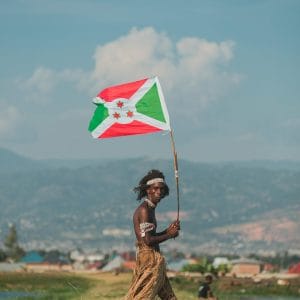
Burundi, a small but culturally rich country in East Africa, is known for its scenic landscapes, welcoming people, and vibrant traditions. While it may be one of Africa’s lesser-known destinations, Burundi offers a unique blend of natural beauty and a deep historical heritage. The nation shares borders with Rwanda to the north, Tanzania to the east and south, and the Democratic Republic of the Congo to the west, with Lake Tanganyika forming part of its western boundary. Despite its compact size, Burundi’s landscapes range from expansive lakes and verdant hills to lush forests, making it an ideal destination for travelers seeking an off-the-beaten-path experience.
Geography and Climate
Burundi is a landlocked country characterized by varied geography. The western part of the country, near Lake Tanganyika, is dominated by lowlands, while the central and eastern regions are hilly and mountainous. The country’s highest peak, Mount Heha, stands at over 2,600 meters in the central highlands. The terrain provides breathtaking views, with rivers and lakes enhancing the scenic beauty of the countryside.
The climate in Burundi is equatorial, tempered by altitude, with two main rainy seasons from February to May and September to November. The cooler dry season, from June to August, is a popular time for outdoor activities and tourism. The mild temperatures in the highlands offer a pleasant escape, while the regions near Lake Tanganyika enjoy warmer, tropical weather year-round.
A Glimpse into History
Burundi has a rich history that dates back centuries, with evidence of early human settlement as far back as 8,000 B.C. Traditionally, the region was home to various ethnic groups, including the Hutu, Tutsi, and Twa, who formed small communities based on farming, herding, and hunting. Burundi was organized as a monarchy for much of its history, with a ruling mwami, or king, leading the kingdom.
In the late 19th century, Burundi became a German colony, later transitioning to Belgian control after World War I as part of Ruanda-Urundi. Burundi gained independence in 1962 and established itself as a republic. However, the nation has faced periods of political tension and conflict that have impacted its development. Despite these challenges, Burundi has demonstrated resilience, with the people working toward stability and economic growth.
Cultural Heritage and Traditions
Burundi’s culture is rich and diverse, shaped by its ethnic communities and long history of traditions. Music and dance play a significant role in Burundian society, with drums being particularly symbolic. The Royal Drummers of Burundi are world-renowned, and their performances, featuring intricate rhythms and high-energy drumming, are a central part of Burundian celebrations and ceremonies. Dance is also a vital cultural expression, often telling stories of community values, history, and identity.
Burundian clothing often reflects traditional styles, particularly during festivals and ceremonies. While Western attire is common, Burundians are proud of their heritage and continue to preserve traditional garments, such as the imigani, a colorful cloth wrapped around the body, for special occasions. Respect for elders, community solidarity, and hospitality are core values that guide daily life in Burundi.
Language and Religion
The official languages of Burundi are Kirundi, French, and English. Kirundi is widely spoken by the majority of the population, and French is commonly used in government and education. English, though not as prevalent, is becoming increasingly important due to regional integration efforts within East Africa. Religion in Burundi is primarily Christian, with a large portion of the population following Roman Catholicism. Protestantism and indigenous beliefs are also present, with a smaller number of Muslims, particularly near the lakeside regions.
Religious practices are often intertwined with cultural traditions, reflecting the diversity of belief systems that coexist in the country. Churches play a significant role in Burundian society, providing not only spiritual guidance but also community support and social services.
Economy and Development
Burundi’s economy is primarily based on agriculture, with most people engaged in subsistence farming. The main crops include coffee, tea, maize, bananas, and cassava, with coffee and tea being major export products. However, the country faces economic challenges, including limited access to resources, vulnerability to climate changes, and the impact of past conflicts. Efforts are being made to improve infrastructure, healthcare, and education, but poverty remains a significant issue, especially in rural areas.
Burundi is also working to diversify its economy by developing sectors such as tourism, small-scale manufacturing, and regional trade. International partnerships and support from organizations like the United Nations and the African Development Bank have helped to fund development projects aimed at improving living standards and creating economic opportunities.
Tourism and Natural Attractions
Burundi may not be a traditional tourist hotspot, but it offers stunning landscapes and experiences for those interested in natural beauty, culture, and history. Lake Tanganyika, one of the oldest and deepest lakes in the world, is a highlight of Burundian tourism. The lake’s clear waters and sandy shores provide opportunities for swimming, fishing, and relaxing. The lakeside town of Rumonge offers a glimpse into local fishing life, while the capital, Bujumbura, has a scenic lakefront with cafes, restaurants, and vibrant markets.
For nature enthusiasts, the Kibira National Park is a must-visit destination. This park is a primary rainforest area that serves as a sanctuary for wildlife, including primates like chimpanzees and colobus monkeys. Birdwatchers will also find Kibira appealing, with over 200 bird species recorded within the park. The Ruvubu National Park, another notable attraction, offers diverse wildlife and beautiful riverine scenery.
Gishora Drum Sanctuary, located near the town of Gitega, is a significant cultural site. It is home to the famous Royal Drummers of Burundi, where visitors can experience traditional drumming performances and learn about the history of this ancient art form. The sanctuary preserves the drumming heritage of Burundi, which is central to the country’s cultural identity.
Festivals and Celebrations
Burundi has a variety of festivals and celebrations that reflect its cultural heritage and community spirit. Independence Day, celebrated on July 1, is a major national holiday marked by parades, speeches, and community gatherings. Drumming and dancing are common on this day, as Burundians come together to celebrate their hard-earned independence.
Other important celebrations include New Year’s Day, Labor Day, and religious holidays like Easter and Christmas. During these times, Burundians gather with family and friends, enjoying traditional food, music, and dance. Community ceremonies and events such as weddings and harvest festivals are also significant, with local dances, songs, and rituals that showcase Burundi’s diverse cultural expressions.
Practical Tips for Travelers
Traveling in Burundi requires some preparation due to limited infrastructure and regional security considerations. Visitors should check for travel advisories and ensure they have the necessary travel documents, including a visa. French is the most widely spoken foreign language, so knowing basic French phrases can be helpful for communication.
Burundi’s currency is the Burundian franc (BIF), and it is recommended to carry cash, as card payments may not be accepted in many places, especially outside of the capital. The local cuisine is simple but flavorful, featuring staples like rice, beans, plantains, and fish from Lake Tanganyika. Visitors should take health precautions, including vaccinations and mosquito repellent, due to malaria risks.
In Summary
Burundi is a country of rich cultural traditions, remarkable landscapes, and warm hospitality. Despite its challenges, Burundi stands out as a nation with deep historical roots and a vibrant sense of community. From the rhythmic beats of the Royal Drummers to the serene waters of Lake Tanganyika, Burundi offers visitors a chance to experience Africa’s heart and spirit. While it may not be a mainstream tourist destination, those who venture to Burundi will find a unique and rewarding experience filled with natural beauty, cultural depth, and genuine connections with the people. Whether exploring the national parks, enjoying local festivals, or learning about the country’s history, Burundi promises a journey that leaves a lasting impression and showcases the resilience and richness of its heritage.