
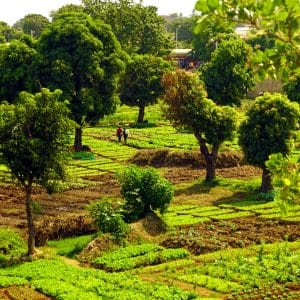
Burkina Faso, a landlocked country in West Africa, is a unique nation with a rich cultural heritage and a vibrant, resilient population. Known for its diverse ethnic groups, traditional music, and vibrant art scene, Burkina Faso is a country that thrives on community, creativity, and cultural expression. While it may not be a popular tourist destination, Burkina Faso holds a distinct place in the heart of Africa with its unique landscapes, colorful festivals, and dynamic history.
Geography and Climate
Located in the heart of West Africa, Burkina Faso shares borders with Mali to the north, Niger to the east, Benin to the southeast, and Togo, Ghana, and Côte d’Ivoire to the south. Its landscape is primarily savannah, dotted with low hills and lush forests in the southwest. The country is home to a diverse range of ecosystems, from the grassy plains of the Sahel in the north to the greener, forested regions in the south.
Burkina Faso experiences a tropical climate with three main seasons: a short rainy season from June to September, a cool dry season from October to February, and a hot dry season from March to May. The rainy season brings much-needed relief to the arid areas, supporting agriculture and replenishing water sources, while the dry season brings intense heat, especially in the northern regions.
Historical Background
The history of Burkina Faso is marked by centuries of cultural development and a strong sense of community. Originally home to various ethnic groups, such as the Mossi, Lobi, and Bobo, the area now known as Burkina Faso had established kingdoms by the 11th century. The Mossi Kingdoms, in particular, were powerful entities that managed to resist many attempts at conquest by surrounding empires.
During the colonial era, Burkina Faso was part of French West Africa. It gained independence from France on August 5, 1960, initially as the Republic of Upper Volta. In 1984, under the leadership of President Thomas Sankara, the country’s name was changed to Burkina Faso, which translates to “Land of Upright People.” Sankara, a beloved and revolutionary leader, introduced social and economic reforms, promoting self-sufficiency, healthcare, and education. Though his leadership was cut short by his assassination in 1987, his legacy continues to inspire the people of Burkina Faso.
Diverse Culture and Traditions
Burkina Faso is home to over 60 ethnic groups, each with its own language, customs, and cultural practices. The largest group is the Mossi, followed by the Fulani, Gourmantché, and Bobo, among others. Despite their differences, these groups coexist harmoniously, contributing to the rich cultural fabric of the country. Traditional customs and values play a crucial role in daily life, emphasizing respect for elders, family unity, and community spirit.
Music and dance are integral to Burkinabe culture, with traditional rhythms and instruments passed down through generations. The balafon, a type of wooden xylophone, and the djembe drum are popular traditional instruments. Traditional dance forms vary among ethnic groups and are often performed at festivals, weddings, and other community gatherings. Burkina Faso also has a reputation as the “Land of Honest Men” due to the values of integrity, resilience, and hard work that define its people.
Art and Film
Burkina Faso has a thriving arts scene, particularly in the fields of visual art and film. The country is renowned for its vibrant handicrafts, including pottery, weaving, and jewelry, which are sold in local markets and prized for their quality and craftsmanship. Masks play an important role in traditional ceremonies and festivals, often representing spirits, animals, and ancestral figures. These intricate, hand-carved masks are both beautiful and meaningful, symbolizing the deep cultural heritage of the Burkinabe people.
In the world of cinema, Burkina Faso holds a special place in African film. The capital, Ouagadougou, hosts the biennial Pan-African Film and Television Festival of Ouagadougou (FESPACO), one of the largest and most prestigious film festivals on the continent. FESPACO celebrates African cinema and provides a platform for filmmakers from across the continent to share their work, making Burkina Faso a cultural hub for African arts and film.
Economy and Development
Burkina Faso’s economy is primarily based on agriculture, with a majority of the population working in subsistence farming. Key crops include millet, sorghum, maize, and cotton. The country is also a major producer of gold, which has become a significant source of revenue in recent years, surpassing cotton as the leading export product. Despite its economic challenges, Burkina Faso has made strides in various development areas, including healthcare, education, and infrastructure.
However, the country continues to face economic hurdles, including limited natural resources, vulnerability to climate change, and poverty. International organizations and non-governmental organizations (NGOs) have partnered with the government to implement development programs aimed at improving living standards and creating economic opportunities. Education remains a priority, as literacy rates are still low, particularly in rural areas, where children often have limited access to schools.
Major Festivals and Events
Festivals are a central part of life in Burkina Faso, offering a chance to celebrate tradition, community, and creativity. FESPACO is perhaps the most well-known event, attracting visitors from around the world to Ouagadougou for screenings, discussions, and cultural exhibitions. Another notable festival is the International Arts and Crafts Fair of Ouagadougou (SIAO), one of Africa’s largest exhibitions for crafts and artisanal products, where artists showcase their work and engage with buyers and collectors.
In the rural areas, traditional festivals are common, especially during the harvest season. These festivals often include music, dance, and masked performances that honor the land and ancestral spirits. One such example is the Nabasga festival in the town of Kaya, where the Mossi people celebrate the end of the rainy season and give thanks for a successful harvest.
Tourism and Natural Attractions
While not traditionally seen as a major tourist destination, Burkina Faso offers unique experiences for those seeking cultural and ecological diversity. The capital, Ouagadougou, and the city of Bobo-Dioulasso are lively cultural centers with vibrant markets, historical sites, and rich musical traditions. Visitors can explore the Grand Mosque of Bobo-Dioulasso, a stunning example of Sudano-Sahelian architecture, and the lively Bobo markets.
For nature lovers, the southwestern region of Burkina Faso is known for its lush landscapes and natural beauty. The Karfiguéla Waterfalls and the Sindou Peaks are popular natural attractions, providing stunning views of the country’s rock formations and forests. Arly National Park and W National Park, which Burkina Faso shares with Niger and Benin, are home to diverse wildlife, including elephants, lions, and antelope, offering a glimpse into the region’s biodiversity.
Practical Tips for Travelers
Visitors to Burkina Faso are welcomed with warmth and hospitality, but it’s important to be mindful of local customs and traditions. Greeting people respectfully, especially elders, is essential, and learning a few basic phrases in French, the official language, can enhance interactions. Burkina Faso has a hot climate, so lightweight clothing is recommended, along with sun protection. While the infrastructure is developing, travel within the country can be challenging, so it’s best to plan ahead and be patient with travel times.
Security has been a concern in certain areas due to regional instability, and travelers are advised to check for travel advisories before visiting. However, with proper planning and precautions, a visit to Burkina Faso can be a rewarding experience, offering a deep insight into the cultural richness and resilience of its people.
In Summary
Burkina Faso is a country that embodies the spirit of Africa with its unique blend of cultural heritage, artistic expression, and resilient people. From the bustling markets of Ouagadougou to the scenic landscapes of the southwest, Burkina Faso invites travelers to experience its vibrant traditions and welcoming communities. Though it faces challenges, the country’s determination, creativity, and pride in its heritage continue to shape its journey forward. For those who seek an authentic African experience, Burkina Faso offers a rich and immersive exploration of history, art, and natural beauty that leaves a lasting impression on all who visit.