
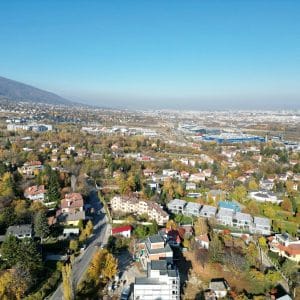
Bulgaria, a country nestled in southeastern Europe on the Balkan Peninsula, is a captivating blend of ancient history, rich traditions, and diverse landscapes. With its roots stretching back to antiquity, Bulgaria has been a crossroads of cultures and empires for centuries, creating a unique heritage that combines influences from Thracian, Slavic, and Ottoman civilizations. From its picturesque mountains and Black Sea coastline to vibrant cities and quiet villages, Bulgaria is a destination that holds something for everyone.
Geography and Climate
Bulgaria’s landscape is incredibly diverse, with majestic mountain ranges, fertile plains, and a beautiful coastline along the Black Sea. The Balkan Mountains run through the center of the country, while the Rila and Pirin Mountains to the southwest offer some of the highest peaks in southeastern Europe, including Musala, the tallest peak in the Balkans. The northern regions are dominated by the Danube River, which forms a natural border with Romania.
Bulgaria experiences a continental climate, with cold winters and hot summers in most regions. The coastal areas along the Black Sea enjoy a milder, Mediterranean-like climate, making it a popular summer destination for beachgoers. In the mountains, winters are cold and snowy, perfect for skiing and winter sports, while summers are cool and ideal for hiking.
A Rich Historical Tapestry
Bulgaria is one of Europe’s oldest countries, with a history that dates back to the Thracians, an ancient civilization known for its art, culture, and mythology. The Thracians were eventually conquered by the Roman Empire, and Bulgaria later emerged as a powerful medieval state after the establishment of the First Bulgarian Empire in 681 AD. This empire played a crucial role in the spread of Slavic culture and the Cyrillic alphabet, which originated in Bulgaria.
Throughout its history, Bulgaria has been shaped by various empires, including the Byzantine and Ottoman empires. The Ottoman rule, which lasted nearly 500 years, left a significant cultural impact on Bulgarian architecture, cuisine, and customs. Bulgaria gained independence from Ottoman rule in the late 19th century and became a modern state. Its complex history, filled with both triumphs and struggles, has left a rich cultural legacy that is visible in the country’s monuments, museums, and festivals.
Vibrant Culture and Traditions
Bulgarian culture is deeply rooted in Slavic and Orthodox Christian traditions, with elements of Thracian and Ottoman influences. Folk music, dance, and crafts hold an essential place in Bulgarian culture, often celebrated through lively festivals and family gatherings. Traditional music often features unique instruments such as the gaida (bagpipe) and kaval (shepherd’s flute), and is accompanied by intricate dance forms, including the famous “horo” circle dance.
The country also has a rich tradition of folklore and mythical tales, with stories that often involve heroes, spirits, and creatures from Bulgarian mythology. Rose oil production, especially in the Valley of the Roses near Kazanlak, is a centuries-old tradition for which Bulgaria is famous, and the Rose Festival is one of the country’s most celebrated cultural events.
Bulgarian Cuisine
Bulgarian cuisine reflects the country’s agricultural heritage, offering a mix of fresh vegetables, dairy products, and meats. It is known for its hearty and flavorful dishes, often seasoned with herbs like parsley, mint, and thyme. A staple of Bulgarian cuisine is “banitsa,” a pastry made of filo dough filled with cheese, spinach, or pumpkin. Another popular dish is “shopska salad,” a refreshing mix of tomatoes, cucumbers, onions, and cheese, drizzled with olive oil and vinegar. “Kebapche,” grilled minced meat, and “tarator,” a cold yogurt and cucumber soup, are also widely enjoyed.
Dairy products, especially yogurt, play a significant role in Bulgarian diets, and the country is known for producing yogurt with a unique strain of bacteria, Lactobacillus bulgaricus, which is believed to have numerous health benefits. Bulgarian wine is also gaining international recognition, with native grape varieties like Mavrud and Melnik producing rich, flavorful wines.
Major Attractions and Places to Visit
Sofia
Sofia, the capital of Bulgaria, is a vibrant city that blends ancient history with modern life. Visitors to Sofia can explore historic sites like the Alexander Nevsky Cathedral, one of the largest Orthodox cathedrals in the world, and the 4th-century St. George Rotunda. The city also offers numerous museums, art galleries, and parks, making it an engaging destination for those interested in culture and history.
Plovdiv
Plovdiv, one of the oldest continuously inhabited cities in the world, is a must-see destination in Bulgaria. Known for its Roman ruins, including the well-preserved Roman Theater, Plovdiv is a blend of ancient history and contemporary culture. The city’s Old Town features colorful 19th-century houses, narrow cobblestone streets, and historic churches. Plovdiv was named the European Capital of Culture in 2019, highlighting its rich cultural heritage.
Rila Monastery
Rila Monastery, a UNESCO World Heritage Site, is one of Bulgaria’s most cherished landmarks and a spiritual center for the Bulgarian Orthodox Church. Founded in the 10th century, the monastery is located in the scenic Rila Mountains and is known for its stunning frescoes, wooden carvings, and rich history. The site attracts pilgrims and tourists alike, offering a peaceful retreat amidst beautiful mountain scenery.
Black Sea Coast
Bulgaria’s Black Sea coastline stretches for over 350 kilometers and features numerous beach resorts, including Sunny Beach, Golden Sands, and Nessebar. These resorts attract tourists looking for sun, sand, and a lively atmosphere, while the ancient town of Nessebar, a UNESCO World Heritage Site, offers a glimpse into Bulgaria’s past with its Byzantine and medieval churches.
The Seven Rila Lakes
The Seven Rila Lakes, located in the Rila Mountains, are one of Bulgaria’s most picturesque natural attractions. This group of glacial lakes, each named according to its shape or characteristic, is a popular destination for hiking and nature photography. The lakes are best visited during the summer months, when the surrounding meadows are in full bloom and the trails are easily accessible.
Festivals and Celebrations
Bulgaria is a country of festivals and celebrations, many of which are rooted in ancient customs and traditions. One of the most popular celebrations is “Baba Marta” (Grandmother March), a holiday marking the arrival of spring, where people exchange “martenitsa” — red and white woven bracelets or figures symbolizing health and prosperity. The Rose Festival in Kazanlak is another well-known event, celebrating the country’s rose harvest and the production of rose oil, a significant industry in Bulgaria.
Christmas and Easter are widely celebrated in Bulgaria, with various customs, foods, and ceremonies that highlight the country’s Orthodox Christian heritage. Traditional folklore festivals, such as the Surva Festival in Pernik, showcase Bulgarian masked dances and rituals that have been performed for centuries.
Practical Tips for Travelers
Traveling in Bulgaria is generally safe and affordable. English is commonly spoken in major cities, especially among younger generations, but learning a few basic Bulgarian phrases can enhance the travel experience and show appreciation for the local culture. The Bulgarian currency is the lev (BGN), and most businesses in larger towns accept credit cards, though carrying cash is useful in rural areas.
Public transportation, including buses, trains, and taxis, is widely available and reasonably priced. Bulgaria’s diverse landscapes make it an ideal destination for both urban exploration and outdoor adventures. Whether exploring ancient ruins or hiking in the mountains, travelers can enjoy a wide range of experiences throughout the country.
In Summary
Bulgaria is a country of remarkable contrasts, where ancient history meets vibrant modern life. Its rich cultural traditions, diverse landscapes, and hospitable people make it a captivating destination for travelers. From the historic streets of Plovdiv and the monasteries of the Rila Mountains to the lively beach resorts along the Black Sea, Bulgaria offers a wealth of experiences that reflect its unique heritage. Whether one is drawn to the country’s cultural festivals, its delicious cuisine, or the natural beauty of its mountains and coastline, Bulgaria promises a journey filled with discovery and lasting memories. With its blend of Eastern European and Mediterranean influences, Bulgaria stands out as a hidden gem in the heart of the Balkans, offering visitors a rich tapestry of culture, history, and adventure.