
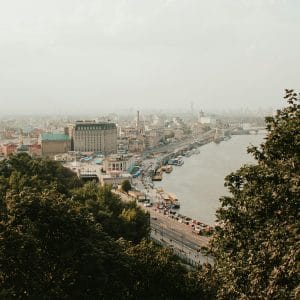
Exploring the Crossroads of Europe
Belarus, a nation located in Eastern Europe, is often overlooked in the typical European travel circuit. Yet, this country offers a unique glimpse into the region’s complex history and rich cultural tapestry. Bordered by Russia, Ukraine, Poland, Lithuania, and Latvia, Belarus serves as a geographical and cultural bridge between Europe and Russia, presenting a blend of both Eastern and Western influences.
Geography and Climate
Belarus is characterized by its flat landscape, extensive forests, and numerous lakes and rivers. The country is predominantly composed of lowlands with the highest point being the Dzerzhinsky Hill at 345 meters above sea level. Belarus has a continental climate, with cold winters, warm summers, and relatively high humidity throughout the year. This climate supports a rich variety of flora and fauna, particularly in the vast, primeval Białowieża Forest, a UNESCO World Heritage Site that is home to the rare European bison.
Historical Insights
The history of Belarus is marked by various phases of occupation and sovereignty. Throughout the centuries, the territories of modern-day Belarus were a part of the Grand Duchy of Lithuania, the Polish-Lithuanian Commonwealth, and the Russian Empire. In the 20th century, Belarus became one of the founding republics of the Soviet Union until it gained independence in 1991 following the dissolution of the USSR. This tumultuous history has left a significant imprint on the country, shaping its present-day identity and heritage.
Cultural Heritage
Belarusian culture is an intricate mosaic of its history, with deep roots in Slavic traditions and a significant influence from its neighbors. The Belarusian language, although closely related to Russian and Ukrainian, is distinct and an important symbol of national identity. Traditional Belarusian music and dance, much like the country’s folk art and crafts, reflect the rural character of Belarusian life and history. Festivals such as Kupalle, featuring ancient pagan rituals, are celebrated with enthusiasm and are a spectacle of traditional costumes, songs, and dances.
The Economy of Belarus
The economy of Belarus is diverse, with major strengths in manufacturing and services. It is one of the world’s largest producers of potash fertilizers and heavy machinery. The IT sector has seen significant growth in recent years, spurred by government support and initiatives like the Hi-Tech Park in Minsk, which offers tax incentives and has attracted both domestic and foreign IT companies.
Culinary Traditions
Belarusian cuisine is hearty and closely reflects the country’s agrarian heritage. Dishes are typically based on vegetables, meat, and bread, staples that can withstand the harsh winters. Potato is particularly prevalent, used in dishes like draniki (potato pancakes). Other traditional foods include borsch (beet soup), often served with smetana (sour cream), and kolduny (stuffed potato dumplings). Rye bread, a staple of the Belarusian diet, is often served alongside meals.
Key Attractions and Sites
Belarus offers numerous attractions ranging from natural parks to historical sites. The capital city, Minsk, is home to many Soviet-era buildings and monuments, including the impressive Independence Square and Victory Monument. The aforementioned Białowieża Forest attracts nature enthusiasts from around the world. Another notable site is the Mir Castle Complex, a UNESCO World Heritage site, which alongside the Nesvizh Castle, represents the historical grandeur of the Belarusian noble estates.
Modern Belarus
Today’s Belarus is a country that balances its traditional past with its modern ambitions. Minsk is increasingly seen as a cosmopolitan hub with an emerging contemporary arts scene, cafes, and vibrant nightlife. The city’s transformation is symbolic of the broader social and economic shifts occurring across the country.
Travel Tips and Etiquette
Travelers to Belarus should be aware of the visa requirements which have been eased in recent years to encourage tourism. English is not widely spoken outside of the younger population in larger cities, so learning a few phrases in Belarusian or Russian can be helpful. The Belarusian people are known for their hospitality but tend to be reserved at first. It is customary to remove shoes when entering someone’s home and bring a small gift if invited for a meal.
In Summary
Belarus is a country that presents a unique mix of historical depth, cultural richness, and natural beauty. Its complex history has crafted a nation that is both introspective and welcoming. Visitors will find that beyond the veneer of its Soviet past lies a country with rich traditions, warm hospitality, and a quietly thriving contemporary culture. Whether exploring the ancient forests, the architectural marvels of its castles, or the bustling streets of Minsk, Belarus offers a compelling and enriching experience that resonates long after the journey ends.