
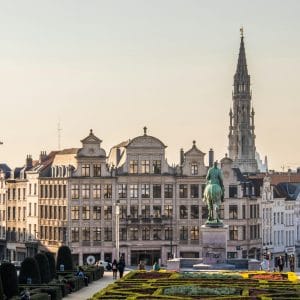
A Glimpse into the Heart of Europe
Belgium, often called the heart of Europe due to its geographic location and role as the political center of the European Union, offers much more than its diplomatic prominence. This small yet influential country is packed with historical sites, stunning architecture, renowned art, and culinary delights that reflect its rich history and cultural diversity.
Geography and Climate
Nestled between France, Germany, the Netherlands, and Luxembourg, Belgium boasts a diverse landscape that ranges from coastal plains along the North Sea to lush forests and rolling hills in the south. The country is divided into three main regions: Flanders in the north, where Dutch is predominantly spoken; Wallonia in the south, where French is the main language; and the Brussels-Capital Region, which is officially bilingual. Belgium’s climate is maritime temperate, with mild winters, cool summers, and rainfall throughout the year, ideal for the cultivation of the hops and barley used in its world-famous beer.
Historical Crossroads
Belgium’s history as a battleground for European powers has given it a rich architectural and cultural heritage. It has been a part of the Roman Empire, the Spanish Empire, and the Austrian Empire, among others, before becoming an independent kingdom in 1830. Each occupier has left its mark, evident in the country’s diverse architectural styles, languages, and traditions.
Cultural Tapestry
Belgian culture is a complex blend of tradition and modernity, influenced heavily by both the Latin and Germanic cultural spheres. This duality is most visible in its vibrant arts scene, which has produced masters such as Rubens, Van Eyck, and Magritte. Belgium’s cultural diversity is celebrated through numerous festivals and events, including the colorful Carnival of Binche, the Brussels Film Festival, and the Gentse Feesten.
Culinary Delights
Belgian cuisine is as varied as its cultural influences, famous worldwide for its chocolates, waffles, and beers. Belgium boasts over 800 different varieties of beer, from Trappist ales brewed in monasteries to fruity lambics and strong dubbels. Belgian chocolate has set the standard for artisanal chocolate globally. Traditional dishes like stoofvlees (a Flemish beef stew), waterzooi (a creamy fish or chicken stew), and moules-frites (mussels served with fries) showcase the richness of Belgium’s culinary arts.
Art and Architecture
Belgium’s artistic heritage stretches back to the Middle Ages, with cities like Bruges and Ghent filled with medieval and Renaissance art. The country’s architecture is equally diverse, featuring everything from the ornate Grand Place in Brussels to the sleek, contemporary designs of the new parts of Antwerp. Art Nouveau found a particular stronghold in Brussels in the early 20th century, with Victor Horta being one of its most celebrated proponents.
Economic Hub
Belgium’s economy is modern and open, heavily service-oriented, but it also maintains a robust industrial base, including steel, textiles, refining, chemicals, food processing, pharmaceuticals, and cutting-edge technology. The Port of Antwerp is one of the biggest in the world, playing a crucial role in international trade and the global diamond market.
Modern Day Belgium
Today, Belgium is a parliamentary democracy with a constitutional monarch. It is known for its high standard of living, quality health care, and excellent educational system. Belgium also plays a significant role in international politics, housing the headquarters of the European Union and NATO in Brussels.
Travel Tips and Etiquette
Belgium is well connected by both its efficient public transportation network and its modern motorways. When visiting, one should be aware of the linguistic divisions; it’s respectful to attempt a few words in the local language, whether it’s French, Dutch, or German, depending on the region. Belgians are known for their politeness and discretion, so respectful behavior in public spaces is appreciated.
In Summary
Belgium offers a fascinating window into the complexities of European history and contemporary life. Visitors to Belgium are rewarded with a tapestry of cultural experiences, from the medieval art and architecture of Flanders to the lush, hilly landscapes of the Ardennes. Whether you are indulging in the culinary pleasures of fine chocolate and craft beer or exploring the cobblestone streets of an ancient city, Belgium provides a rich, immersive experience that captivates and delights. Its position as a nexus for international diplomacy only adds to its allure, making it a must-visit for anyone interested in the past and future of Europe. Whether you are exploring its historic sites, enjoying its exquisite cuisine, or engaging in the vibrant city life, Belgium offers a unique blend of old and new that continues to enchant visitors from around the world.