
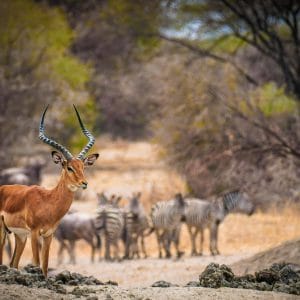
Botswana, a landlocked country in Southern Africa, is a remarkable destination known for its pristine wilderness, vibrant cultures, and stable economy. Famous for its diverse wildlife and breathtaking landscapes, Botswana has become a prime destination for ecotourism and adventure seekers. The country offers a mix of rich traditions, warm hospitality, and some of Africa’s most renowned natural wonders, making it a unique gem on the continent.
Geography and Climate
Botswana is situated on the high plateau of Southern Africa and bordered by Namibia, Zambia, Zimbabwe, and South Africa. The Kalahari Desert occupies most of the country, giving Botswana a unique ecosystem with semi-arid conditions that have adapted to both dry and rainy seasons. Botswana experiences three main climatic periods: the dry season, the wet season, and the cool winter season. The dry season, from May to September, is the best time for wildlife viewing, while the wet season, from November to March, transforms the landscape, filling the rivers and attracting migratory birds. The geography is defined by vast open spaces, with over 70% of the country covered by the Kalahari sand, interspersed with lush wetlands and rivers that breathe life into the dry terrain.
A Glimpse into History
Botswana has a deep and enduring history that goes back thousands of years. The San people, or Bushmen, are considered one of the oldest cultures in the world and have lived in the region for over 20,000 years, sustaining a way of life deeply connected to nature. In the 19th century, Botswana came under British protection to defend itself from regional threats, eventually gaining independence in 1966. Since independence, Botswana has built a reputation for political stability and economic growth, driven primarily by diamond mining, which has funded significant developments in infrastructure, health, and education.
Cultural Diversity and Traditions
Botswana is a melting pot of ethnic groups, with the largest being the Tswana people, after whom the country is named. Other significant groups include the Kalanga, Basarwa (San), and Bakalanga. Traditional music, dance, and dress are essential parts of Botswana’s cultural heritage, and locals take pride in celebrating their customs. The country’s festivals, such as the Maitisong Festival, showcase music, dance, and theater, highlighting both contemporary and traditional Botswana arts. Although modern influences have entered Botswana, its people remain deeply rooted in their customs and heritage.
Botswana’s Economy and Development
Botswana has one of the most stable and fastest-growing economies in Africa. The discovery of diamonds shortly after independence was transformative, helping to fund developments across the nation. Today, Botswana’s economy is diverse, with mining, tourism, agriculture, and financial services forming its core sectors. The government has prioritized sustainable development, investing in infrastructure and creating policies that focus on preserving Botswana’s natural resources while supporting growth.
Wildlife and Conservation
Botswana is a global leader in wildlife conservation, renowned for its low-impact tourism and commitment to protecting its diverse ecosystems. The country’s wildlife policy emphasizes preserving its national parks and game reserves, such as Chobe National Park, known for one of the largest concentrations of elephants in the world. The Okavango Delta, a UNESCO World Heritage Site, is another iconic conservation area that draws visitors from around the globe. This inland delta, with its labyrinth of waterways, lagoons, and islands, is home to a wealth of species, including lions, leopards, buffalo, and hundreds of bird species. Botswana’s strict anti-poaching laws and partnerships with conservation organizations have played a crucial role in maintaining its wilderness areas as safe havens for wildlife.
Adventure and Activities
For adventure enthusiasts, Botswana offers an array of activities that bring travelers close to nature. Safari experiences are a highlight, with options for traditional game drives, walking safaris, and unique water-based safaris in the Okavango Delta. Visitors can explore the stunning Makgadikgadi Pans, one of the world’s largest salt flats, or take a mokoro (dugout canoe) ride through the delta’s tranquil waters. For those seeking a cultural experience, tours led by San guides offer insight into their traditional way of life and bush survival skills. The combination of landscapes, wildlife, and cultural experiences makes Botswana a dream destination for eco-tourists and adventure travelers alike.
Key Attractions and Destinations
Okavango Delta
The Okavango Delta is one of the world’s most extraordinary natural wonders. This seasonal floodplain transforms during the rainy season into a lush habitat that supports an astounding variety of wildlife. The delta’s waterways offer a unique safari experience, where visitors can explore by traditional mokoro canoes or motorboats, spotting animals in a serene setting unlike any other.
Chobe National Park
Located in the north, Chobe National Park is renowned for its diverse landscapes and immense elephant herds. The park is divided into several regions, each offering a unique experience, from the riverfront teeming with wildlife to the Linyanti Marshes. Chobe’s sunset boat cruises along the Chobe River are especially popular, providing up-close views of elephants, hippos, and crocodiles.
Makgadikgadi Pans
The Makgadikgadi Pans are vast salt flats that offer a surreal landscape and a stark beauty. During the rainy season, the pans transform, attracting flamingos and herds of wildebeest and zebra. In the dry season, the otherworldly landscape provides a unique adventure setting, where quad biking and overnight camping under the stars create an unforgettable experience.
Moremi Game Reserve
Located within the Okavango Delta, Moremi Game Reserve combines permanent waterways with dry areas, making it one of the most scenic and wildlife-rich reserves in Africa. Known for its rich biodiversity, Moremi offers an immersive safari experience and is especially famous for its predator sightings, including lions, leopards, and the elusive African wild dog.
Practical Tips for Travelers
Botswana is a safe and welcoming country, but travelers should be prepared for its remote and sometimes rugged landscapes. For the best wildlife experiences, plan a visit during the dry season, between May and September. It’s essential to pack light but include essentials such as sunscreen, a hat, and insect repellent. Most safaris and activities require early bookings, as Botswana focuses on low-impact tourism with limited group sizes to protect its natural habitats. Currency in Botswana is the pula, and while larger towns have ATMs, cash is recommended for rural and remote areas.
In Summary
Botswana is a country that showcases the wonders of Africa with an unmatched commitment to conservation and sustainability. Its breathtaking landscapes, from the lush Okavango Delta to the arid Makgadikgadi Pans, provide a stunning backdrop for wildlife and adventure. Combined with its rich cultural heritage and progressive approach to tourism and development, Botswana offers an experience that resonates with nature lovers, adventurers, and cultural enthusiasts alike. A journey to Botswana is not just about witnessing Africa’s magnificent wildlife but about immersing oneself in a land where nature is revered, and traditions are cherished. Whether it’s exploring the delta, encountering elephants in Chobe, or learning from the San people, Botswana promises a journey of discovery and inspiration.