
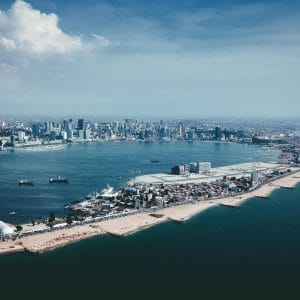
Angola, located in southwestern Africa along the Atlantic Ocean, is a country of vast landscapes, rich cultural diversity, and a complex history. Known for its natural resources, vibrant culture, and unique heritage, Angola has emerged as one of Africa’s most dynamic nations. Although Angola has faced challenges over the years, including a prolonged civil war, it has made significant strides in development and growth. This introduction to Angola will explore its geography, history, culture, economy, and ongoing developments, shedding light on a country that has much to offer.
Geography and Climate
Angola is the seventh-largest country in Africa, covering approximately 1.25 million square kilometers. It is bordered by Namibia to the south, Zambia to the east, the Democratic Republic of the Congo to the north and northeast, and the Atlantic Ocean to the west. Angola’s landscape is incredibly diverse, featuring coastal plains, mountains, high plateaus, and vast savannas. This variety of landscapes provides a stunning backdrop for diverse ecosystems and wildlife.
The country is divided into several geographic regions. The coastal plain along the Atlantic is narrow but stretches for over 1,600 kilometers. Inland, the terrain rises to the central highlands, known as the Planalto, which is the most densely populated area. Further east, the land transitions into savanna and woodlands, home to unique flora and fauna. Angola is also home to significant rivers, including the Kwanza, Cunene, and Cubango, which play vital roles in the nation’s agriculture and hydroelectric power.
Angola’s climate varies significantly depending on the region. The coastal area has a tropical climate with mild, dry winters and hot, humid summers, while the central highlands experience a more temperate climate due to higher altitudes. The southern and eastern parts of the country have a semi-arid climate, with less rainfall. This climatic diversity supports a range of agricultural products and makes Angola a country of varied natural beauty.
Historical Background
Angola has a long and complex history that dates back thousands of years. The region was originally inhabited by various Bantu-speaking ethnic groups, who migrated into the area around 2,000 years ago. These early communities formed organized societies with rich cultures, including the Kingdom of Kongo, which became one of the most prominent kingdoms in pre-colonial Angola. The Kongo Kingdom extended across parts of present-day Angola, the Democratic Republic of the Congo, and Gabon, and was known for its sophisticated social structure, trade networks, and governance.
In the late 15th century, Portuguese explorers arrived on the Angolan coast, marking the beginning of European contact. Over time, Portugal established control over the coastal areas, using Angola as a major source for the transatlantic slave trade. This period was marked by exploitation and resistance, with the local population fighting against colonial forces. Portuguese control gradually expanded into the interior, and by the 19th century, Angola was officially recognized as a Portuguese colony.
Angola’s struggle for independence began in the mid-20th century, with nationalist movements forming to resist Portuguese rule. The country finally achieved independence in 1975, but the joy of independence was short-lived, as Angola soon became embroiled in a brutal civil war that lasted for nearly 27 years. The conflict involved major factions, including the MPLA (People’s Movement for the Liberation of Angola) and UNITA (National Union for the Total Independence of Angola), with external influence and support from the Cold War powers. The civil war ended in 2002, and Angola has since focused on rebuilding its economy, infrastructure, and society.
Culture and Society
Angola’s culture is a rich tapestry of ethnic diversity, reflecting its Bantu roots and colonial influences. The country is home to several major ethnic groups, including the Ovimbundu, Kimbundu, and Bakongo, each with its own language, traditions, and customs. Portuguese is the official language, a legacy of colonial rule, and is widely spoken across the country. Angola is predominantly Christian, with Roman Catholicism and Protestantism being the largest denominations, but traditional beliefs are also practiced in some communities.
Music and dance are central to Angolan culture. Angola is the birthplace of Kizomba and Semba, two popular music and dance styles that have gained international recognition. Kizomba, known for its smooth, flowing dance style, has become popular worldwide, while Semba is considered a precursor to the Brazilian samba. Traditional music often incorporates drums, marimbas, and other percussion instruments, and is used to celebrate events, tell stories, and pass down folklore.
The importance of family and community is also deeply ingrained in Angolan society. Extended families often live together or maintain close connections, and social gatherings are a key part of daily life. Angolans are known for their hospitality and warmth, often welcoming guests with open arms and traditional dishes. Angolan cuisine reflects the country’s African roots and Portuguese influences, with staples like funge (a thick porridge made from cassava or cornmeal) and dishes featuring grilled meats, fish, and tropical fruits.
Economy and Natural Resources
Angola’s economy is one of the largest in sub-Saharan Africa, primarily driven by its oil industry. The country is the second-largest oil producer in Africa, after Nigeria, and oil accounts for the vast majority of its export revenue and government budget. Offshore oil reserves in the Atlantic are Angola’s primary source of income, with major international oil companies operating in the region.
While Angola’s oil wealth has been a major economic asset, it has also led to challenges. The country’s economy has been highly dependent on oil, making it vulnerable to fluctuations in global oil prices. In recent years, the government has taken steps to diversify the economy, promoting sectors such as agriculture, mining, tourism, and manufacturing. Angola is rich in other natural resources, including diamonds, iron ore, and copper, which have potential for further development.
Agriculture, once a backbone of the economy, is gradually being revitalized as part of the diversification strategy. Angola’s fertile land and varied climate make it suitable for crops such as maize, cassava, coffee, and tropical fruits. Investments in infrastructure and technology are aimed at revitalizing the agricultural sector and reducing the country’s reliance on food imports.
Political Landscape and Recent Developments
Since the end of the civil war in 2002, Angola has made progress toward political stability, but challenges remain. Angola is a presidential republic, with the president serving as both the head of state and government. The country’s political system is dominated by the MPLA, the party that led Angola to independence and has remained in power since then. José Eduardo dos Santos served as president for nearly four decades, stepping down in 2017 and marking a significant shift in Angola’s political landscape.
In recent years, Angola has sought to address issues of corruption, economic reform, and social inequality. President João Lourenço, who took office in 2017, has launched a series of anti-corruption initiatives aimed at improving transparency and addressing the wealth gap. These efforts have received mixed responses, as Angola continues to grapple with the legacy of past governance and economic disparities.
Angola’s foreign policy focuses on maintaining peace and stability in the region and fostering economic partnerships. The country is a member of organizations such as the African Union and the Southern African Development Community (SADC), playing a role in regional diplomacy and development efforts.
A Country of Diversity and Potential
Angola is a country of resilience, rich resources, and cultural diversity. Despite facing numerous challenges throughout its history, Angola has made strides in rebuilding and reestablishing itself as an influential nation in Africa. With its abundant natural resources, Angola has significant economic potential, while its music, dance, and traditions continue to enrich the cultural landscape both locally and internationally.
Today, Angola’s focus on diversifying its economy, combating corruption, and investing in infrastructure and social programs reflects its commitment to growth and stability. The journey ahead may be complex, but Angola’s spirit and heritage remain a source of pride for its people and a testament to the country’s resilience. As Angola continues to develop, it stands as an example of a nation embracing change while holding fast to its unique identity and traditions.