
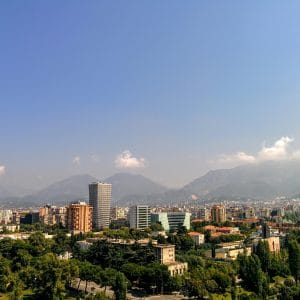
Albania, a country rich in history, culture, and natural beauty, is an undiscovered gem in southeastern Europe. Nestled along the Adriatic and Ionian Seas, this small Balkan nation is known for its stunning coastlines, rugged mountains, and warm hospitality. Albania’s unique culture is shaped by centuries of diverse influences, making it a fascinating destination for travelers and a country with a compelling story. This introduction to Albania will explore its geography, history, culture, and economy, offering insight into the distinct identity of this beautiful Balkan nation.
Geography and Climate
Albania is located on the Balkan Peninsula in southeastern Europe, bordered by Montenegro to the north, Kosovo to the northeast, North Macedonia to the east, and Greece to the south. To the west, Albania’s coastline stretches along the Adriatic Sea, while the Ionian Sea borders its southwest. With a diverse landscape of mountains, plains, rivers, and beaches, Albania is celebrated for its natural beauty. The Albanian Alps in the north, known locally as the Accursed Mountains, offer breathtaking views and are a haven for hikers and nature enthusiasts. In the south, the coastline along the Ionian Sea is dotted with beautiful beaches and charming towns, earning it the nickname “The Albanian Riviera.”
Albania’s climate varies by region. Coastal areas enjoy a Mediterranean climate, with mild winters and hot, dry summers, making them popular destinations during the summer months. The mountainous regions experience a more continental climate, with colder winters and snow, offering opportunities for winter sports. The diversity in climate and landscapes gives Albania a unique ecological variety, supporting a wide range of flora and fauna.
Historical Background
Albania has a long and complex history dating back thousands of years. The area was inhabited by the ancient Illyrians, who are believed to be the ancestors of modern Albanians. Over centuries, Albania saw the influence of various empires and civilizations, including the Greeks, Romans, Byzantines, and Ottomans. Each of these influences has left its mark on Albania’s cultural, architectural, and linguistic heritage.
In the 15th century, Albania was a stronghold of resistance against the expanding Ottoman Empire under the leadership of Skanderbeg, a national hero who fought to preserve Albania’s independence. Despite his efforts, Albania eventually fell under Ottoman rule, where it remained for over four centuries. During this time, Albania adopted many aspects of Ottoman culture, and Islam became the dominant religion in the region.
Albania declared its independence from the Ottoman Empire in 1912, marking the beginning of modern Albanian statehood. However, the country faced numerous challenges, including occupation during World War II and a period of intense isolation under a communist regime led by Enver Hoxha. Hoxha’s rule, which lasted from 1944 until his death in 1985, isolated Albania from both the West and the Eastern Bloc, leaving the country impoverished and cut off from the rest of the world.
Following the fall of communism in the early 1990s, Albania transitioned to democracy, opening its doors to the world. This period of change brought about significant economic and social shifts, and Albania has since made strides toward integration with Europe, joining NATO in 2009 and being a candidate for European Union membership.
Culture and Society
Albania’s culture is a unique blend of ancient traditions and modern influences. The Albanian language, one of Europe’s oldest, is distinct and not related to any other language group in the region. Albanians take great pride in their language and heritage, with cultural practices passed down through generations.
Family and community play a central role in Albanian society. Albanians are known for their strong sense of hospitality and honor, welcoming guests warmly and generously. A longstanding code of conduct, known as “Besa,” embodies this spirit of hospitality and trustworthiness. Besa, which means “to keep the promise,” is a principle deeply embedded in Albanian culture, where loyalty and honor are highly valued.
Religion in Albania is diverse, with Islam, Christianity, and other religious communities coexisting peacefully. Due to the country’s communist history, which enforced atheism and discouraged religious practices, Albania is now one of Europe’s most religiously tolerant nations. Albanians identify more with their national identity than with religious affiliation, and religious tolerance is a hallmark of their culture.
Albanian culture is also expressed through traditional music, dance, and crafts. Albanian folk music features unique instruments such as the çifteli and lahuta, and traditional dances, like the lively valle, are performed at celebrations and gatherings. Handcrafted items like embroidered textiles, silver jewelry, and woodwork showcase the artisanal skills of local craftsmen, often reflecting centuries-old designs and techniques.
Economy and Resources
Albania’s economy has undergone significant transformation since the fall of communism. Historically an agrarian society, Albania’s economy has diversified to include sectors such as manufacturing, services, tourism, and construction. Agriculture remains an important part of the economy, with products like olives, citrus fruits, vegetables, and livestock. Olive oil, a staple in Albanian cuisine, is widely produced and exported, along with other Mediterranean crops like figs and grapes.
In recent years, tourism has emerged as a vital sector of the Albanian economy. The country’s scenic beaches, historical sites, and vibrant culture attract visitors from around the world, boosting revenue and creating jobs. The Albanian Riviera, with its pristine beaches and clear blue waters, has become a popular destination, as have historical sites like Berat and Gjirokastër, both UNESCO World Heritage Sites. These ancient cities are renowned for their Ottoman-era architecture, cobblestone streets, and well-preserved castles.
Albania is also rich in natural resources, including minerals such as chromium, copper, and nickel, as well as oil and natural gas. However, challenges like infrastructure development and foreign investment limitations have impacted the growth potential in these areas. Nevertheless, Albania’s natural beauty, cultural heritage, and growing tourism industry continue to offer promising opportunities for economic development.
Current Political Landscape
Albania’s political landscape has evolved significantly since the transition to democracy in the early 1990s. The country operates as a parliamentary republic, with the president as the head of state and the prime minister as the head of government. Albania has worked to establish democratic institutions and foster political stability, despite challenges such as corruption, economic disparities, and political disagreements.
Albania’s journey toward European integration has been a focal point of its political agenda. The country became a member of NATO in 2009 and has actively pursued EU membership. While Albania has taken significant steps to meet the requirements for EU accession, including judicial reforms and anti-corruption measures, the journey is ongoing. The pursuit of EU membership is widely supported by Albanians, as they see it as an opportunity for economic growth, improved governance, and increased ties with Europe.
Natural Beauty and Tourism
Albania’s natural beauty is one of its most remarkable attributes, making it a destination for travelers seeking stunning landscapes and a rich cultural experience. The Albanian Alps in the north offer dramatic mountain scenery, alpine lakes, and hiking trails that attract adventure enthusiasts from around the world. In the south, the Albanian Riviera’s crystal-clear waters, hidden coves, and picturesque towns are a draw for beachgoers and sunseekers.
In addition to its natural landscapes, Albania boasts ancient ruins, historic castles, and UNESCO-protected towns. The city of Berat, known as the “City of a Thousand Windows,” and Gjirokastër, with its stone-roofed houses, are both celebrated for their preservation of Ottoman-era architecture and provide a glimpse into Albania’s storied past.
With increased accessibility and a growing reputation as a must-visit destination, Albania’s tourism industry is poised to play a central role in its future development.
Albania’s Growing Role in the Region
Albania’s journey from isolation to a thriving Balkan nation reflects the resilience of its people and their commitment to progress. Its strategic location, cultural heritage, and commitment to democratic values make Albania an important player in the Balkans. As Albania continues to grow and develop, it stands as a unique country that balances a deep respect for tradition with a forward-looking approach to modernization. Whether through tourism, regional partnerships, or cultural pride, Albania’s influence in southeastern Europe continues to expand, making it a fascinating and promising nation in the region.