
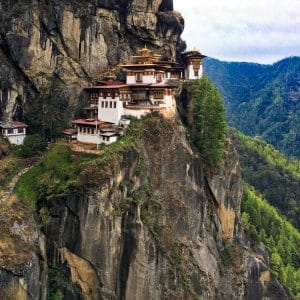
Journey to the Last Shangri-La
Bhutan, often referred to as the Last Shangri-La, is a small kingdom nestled in the Himalayas between China and India. This enigmatic country is renowned for its commitment to preserving its deep Buddhist traditions, vibrant cultural heritage, and pristine environment. Bhutan’s approach to tourism, characterized by its unique policy of “High Value, Low Impact,” aims to protect its cultural integrity while welcoming visitors into its fold.
Geography and Climate
Bhutan’s landscape ranges from lush subtropical plains in the south to the sub-alpine Himalayan mountains in the north, where some peaks exceed 7,000 meters. The country’s elevation gain results in a wide range of weather conditions, from warm and humid in the south to cool and snowy in the north. The climate varies dramatically between seasons, with the monsoon rains peaking in summer and a dry, sunny winter that provides some of the most spectacular views of the Himalayan range.
A Rich Tapestry of History
Bhutan’s history is deeply entwined with the propagation of Buddhism throughout the Himalayas. Founded in the 17th century as a distinct nation-state by Ngawang Namgyal, the first Zhabdrung Rinpoche, Bhutan was unified under a series of spiritual and administrative reforms that also saw the establishment of many of the fortresses, known as dzongs, which are characteristic of Bhutanese architecture. These fortresses, used as both monasteries and administrative centers, are central to Bhutanese culture even today.
Cultural Heritage
Bhutan is proud of its cultural identity, which is largely influenced by Tibetan Buddhism. This is evident in everyday life and in all cultural expressions, from art and architecture to festivals and the national dress code. Men wear the ‘gho’ and women the ‘kira’, traditional garments that signify their cultural pride. The country is perhaps best known for its colorful religious festivals, known as tshechus, which feature mask dances, music, and spiritual teachings. These festivals are held in various dzongs across the country and attract both Bhutanese and international tourists.
Bhutan’s Approach to Development
Unique in the world, Bhutan measures its progress through the philosophy of Gross National Happiness (GNH), prioritizing the well-being of its citizens over economic indicators. This philosophy influences all aspects of government policy and daily life, with strong focus on environmental preservation, cultural promotion, and sustainable development. The kingdom has even committed to maintaining at least 60% of its land under forest cover in perpetuity.
Flavors of Bhutan
Bhutanese cuisine is rich and spicy, with chili and cheese being staple ingredients in many dishes. The national dish, ‘ema datshi’, is a spicy mix of chilies and the local cheese known as datshi. Rice is the staple grain, typically served with side dishes of vegetables or meat, often cooked with ample amounts of butter and spices. Traditional methods of food preparation in Bhutan are a testament to its sustainable lifestyle and self-sufficiency.
Natural Wonders
The kingdom’s commitment to conservation is evident in its lush landscapes and well-preserved ecosystems. Bhutan is one of the few places in the world where you can find the Bengal tiger, snow leopard, and red panda within the same country. Protected areas and national parks cover more than half of Bhutan, preserving a bio-diverse environment that is home to some 770 species of birds and numerous other wildlife species.
Thriving Arts and Crafts
The traditional arts are highly developed and maintained through state support. Known as the ‘zorig chusum’, or the thirteen arts and crafts, these include weaving, sculpture, paper making, and blacksmithing. These crafts are not only practiced widely but are also taught in schools as a means of preserving culture.
Tourism and Travel
Travel to Bhutan is regulated through a policy that requires tourists (except for visitors from India, Bangladesh, and the Maldives) to travel on a pre-arranged itinerary and pay a daily fee that covers accommodation, transport, food, and a local guide. This policy ensures that tourism has a minimal impact on the country’s environment and culture.
Etiquette and Customs
Visitors to Bhutan are expected to respect local customs and traditions. Dress conservatively, especially when visiting religious sites and during festivals. Photography may be restricted in certain areas, so it’s always best to ask for permission. The Bhutanese are known for their hospitality and politeness, and a small gesture of kindness or a smile is always appreciated.
In Summary
Bhutan offers a unique and profound experience, unlike anywhere else in the world. It is a place where a visitor can immerse themselves in a deep spiritual and cultural journey amidst some of the most breathtaking natural scenery on the planet. Whether you are exploring the imposing dzongs, witnessing a vibrant festival, or trekking through serene landscapes, a trip to Bhutan can be transformative, reflecting the peace and happiness that this country embodies. Every visit is a step into a deeper understanding of how tradition and modernity can coexist in harmony, guided by the philosophy of happiness and environmental custodianship.