
Discover the Rich Cultural Tapestry of West Africa
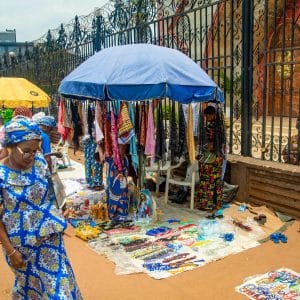
Benin, a small yet vibrant country in West Africa, offers a deep dive into the region’s rich history, diverse cultures, and stunning landscapes. From the bustling markets of Cotonou to the peaceful shores of Lake Ahémé, Benin presents a unique blend of traditional ways of life and modern advancements. It is a place where history and tradition are deeply woven into the fabric of everyday life.
Geography and Climate
Benin is bordered by Togo to the west, Nigeria to the east, Burkina Faso and Niger to the north, and the Atlantic Ocean to the south. Its coastal location influences its climate, making it hot and humid along the coast and progressively drier in the northern regions. The country experiences two main seasons: the rainy season from April to July and the dry season from November to April. This varied climate supports a rich biodiversity, particularly evident in the northern wildlife parks and the coastal lagoons.
A Journey Through History
The history of Benin is marked by its ancient kingdoms, including the powerful Kingdom of Dahomey, known for its wealth, sophisticated governance, and military prowess. This kingdom was well established by the 17th century and became one of the region’s most dominant powers. In the late 19th century, Benin became a French colony, gaining independence in 1960. Today, the influence of both indigenous and colonial histories is evident in the nation’s customs, languages, and political structures.
Cultural Heritage
Benin is celebrated for its vast cultural diversity, with several ethnic groups each contributing to the national identity. The largest groups include the Fon, Yoruba, and Bariba. Voodoo, which originated from the Fon people, is officially recognized as a religion and plays a significant role in the spiritual and social life of the people. Festivals, music, and dance are integral parts of Beninese culture, with the annual Voodoo festival being one of the most significant cultural events, attracting thousands of tourists and locals.
The Arts of Benin
Benin’s artistic heritage is rich and varied. The country is famous for its bronze sculptures and intricate beadwork, which were historically used to decorate the royal palaces of the Dahomey kingdom. These art forms are still practiced today and represent a crucial aspect of the country’s artistic expression. Contemporary art scenes in major cities like Cotonou are burgeoning, with local artists gaining international recognition for their innovative approaches to traditional and modern media.
Economy and Development
Agriculture is the backbone of Benin’s economy, employing a large portion of the workforce. Cotton is the main cash crop, while other significant agricultural products include corn, cassava, and yams. In recent years, the government has implemented various reforms to enhance economic stability and growth, focusing on improving infrastructure, promoting tourism, and diversifying the economy through increased investment in the technology sector.
Culinary Traditions
Beninese cuisine is flavorful and diverse, characterized by the use of fresh fruits, vegetables, and grains. Staple foods include corn, yams, beans, rice, and plantains. Popular dishes such as ‘akassa’ (fermented corn dough), ‘amassi’ (fermented milk), and grilled fish reflect the local taste for fresh, spicy, and hearty meals. Peanuts and palm oil are commonly used in cooking, giving the dishes a distinctive flavor that is both rich and satisfying.
Key Attractions
Benin’s attractions are as diverse as its landscape. The stilt village of Ganvié, often referred to as the “Venice of Africa,” offers a unique glimpse into the life on the water. The historical city of Abomey, once the capital of the Dahomey Kingdom, houses a museum that showcases royal artifacts and thrones. The Pendjari National Park is one of West Africa’s best wildlife parks, where visitors can see elephants, lions, and a variety of antelope species in their natural habitats.
Sustainable Tourism and Conservation
Benin is actively promoting sustainable tourism practices to protect its natural and cultural heritage while providing economic benefits to local communities. Efforts are being made to conserve wildlife habitats, particularly in the northern regions, and to ensure that cultural sites are preserved for future generations.
Travel Tips and Cultural Etiquette
Visitors to Benin are welcomed with warmth and hospitality. It is customary to greet people with a handshake, and asking about one’s family is a common part of introductions. Travelers should be respectful of local customs and traditions, particularly when visiting religious sites or participating in ceremonies. Lightweight clothing is recommended due to the hot climate, but modest attire is appropriate in rural and traditional settings.
In Summary
Benin is a country of incredible diversity, offering everything from historical insights and cultural richness to stunning natural beauty. It is a place where the past and present coexist seamlessly, offering travelers an authentic and enriching experience. Whether exploring the vibrant markets, participating in a traditional festival, or witnessing the majestic wildlife, a visit to Benin is a journey through the heart of West Africa that promises to be as enlightening as it is unforgettable.