
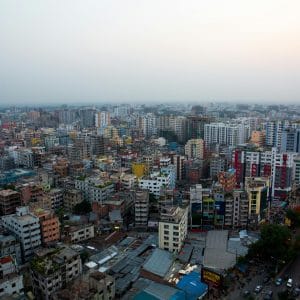
A Land of Vibrant Colors and Rich Traditions
Bangladesh, nestled in the heart of South Asia, is bordered by India, Myanmar, and the Bay of Bengal. Known for its lush green landscapes and rich waterways, the country’s geography is dominated by the Ganges-Brahmaputra delta, the largest delta in the world. This feature shapes not only the land but also the culture and lifestyle of its people, who have a deep connection with the rivers and the fertility they bring.
Geography and Climate
The geography of Bangladesh is unique and diverse. Apart from the vast delta, it features hilly regions in the northeast and southeast, cultivated mostly with tea and rubber. This geographical variety contributes to a climate that is tropical with a mild winter from October to March, a hot, humid summer from March to June, and a monsoon season from June to October. The monsoon and the rivers are central to the agricultural calendar and the economy.
Historical Context
Bangladesh’s history is rich with diversity and struggle. The region was historically a part of various large empires, from the Maurya to the Mughal Empire. In the more recent past, it was part of British India until 1947, then became East Pakistan following the partition of India. After a bitter and bloody struggle, Bangladesh emerged as an independent nation in 1971. This history has cultivated a strong sense of identity and resilience among the people.
Cultural Tapestry
The culture of Bangladesh is a tapestry woven from the threads of its history, geography, and diverse population. The majority of Bangladeshis are ethnic Bengali and speak Bangla, the national language. The country’s culture is heavily influenced by its music, dance, and art, all of which reflect the life, traditions, and struggles of its people. Bangladesh has a rich tradition of folk music and dance that are still practiced in rural areas and have also adapted into popular media.
Economic Landscape
Agriculture, textiles, and garments are the backbone of Bangladesh’s economy. The country is one of the world’s largest producers of textiles and garments, which form the cornerstone of its industrial sector and are key exports. Agriculture employs the majority of the population, with rice being the single most important product. Additionally, remittances from millions of Bangladeshis working abroad, particularly in the Middle East and Southeast Asia, form a significant part of the economy.
Culinary Delights
The cuisine of Bangladesh is rich and layered, much like its history. Rice and fish are staples, reflecting the abundance of its rivers. Traditional dishes include biryani, a mixed rice dish with meat or fish; panta bhat, fermented rice with salt, onion, and chili; and a variety of sweets made from milk. The flavors are enhanced with spices such as mustard, turmeric, garlic, and chili, which give the cuisine its distinctive taste.
Attractions and Landmarks
Bangladesh is home to several noteworthy attractions, including the Sundarbans, the largest mangrove forest in the world, which it shares with India. The forest is home to the famous Bengal tiger and is a UNESCO World Heritage Site. The historic city of Bagerhat, with its ancient mosques, is another UNESCO World Heritage Site and provides a glimpse into the country’s rich historical and architectural legacy. Bangladesh’s rural landscapes, with their traditional life and festivals, offer rich opportunities for cultural tourism.
Festivals and Celebrations
The country’s calendar is dotted with festivals. The most widely celebrated is Pohela Boishakh, the Bengali New Year, marked by colorful parades, music, and dance. The two Eids, Eid-ul-Fitr and Eid-ul-Adha, reflect the majority Muslim population’s religious devotion and are occasions for widespread celebration and hospitality. The Hindu festival of Durga Puja and the Buddhist celebration of Buddha Purnima also reflect the country’s religious diversity.
Getting There and Around
Traveling to and around Bangladesh is becoming easier as the country continues to invest in its transportation infrastructure. Dhaka, the capital, serves as the primary gateway, connected by air to major cities worldwide. Within the country, river transport is traditional and still popular, providing a scenic view of the countryside, while roads and railways are rapidly developing.
Local Etiquette and Tips
Visitors to Bangladesh are greeted with warmth and hospitality. A few tips can help make the visit smoother: dressing conservatively is advisable, especially in rural areas; always remove shoes before entering someone’s home or a place of worship; and learning a few basic phrases in Bangla can go a long way in creating friendly interactions.
In Summary
Bangladesh offers a fascinating experience for those who wish to explore a country that, despite its challenges, showcases immense beauty, resilience, and warmth. Its natural landscapes, rich history, and vibrant culture form a unique blend that is both enchanting and enlightening. A journey through Bangladesh is not just a visit to a place but an immersive experience into the life and soul of its people. Whether you are navigating the bustling streets of Dhaka, cruising along a river, or participating in a local festival, Bangladesh promises memories that will last a lifetime.