
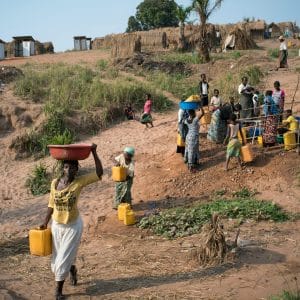
The Democratic Republic of Congo (DRC), also known as Congo-Kinshasa, is a vast and resource-rich country located in Central Africa. It is the second-largest country on the African continent by area, covering approximately 2.3 million square kilometers. Bordered by nine countries, including Angola, Rwanda, and Uganda, the DRC is home to breathtaking landscapes, abundant biodiversity, and a complex history. With its vibrant culture, unique geography, and untapped potential, the DRC is a nation of great significance on the African continent.
Geography and Natural Features
The DRC is often described as a land of contrasts, with its vast rainforests, towering mountains, and expansive savannas. The Congo River, one of the longest rivers in the world, flows through the heart of the country and serves as a critical waterway for transportation, trade, and sustenance. The river’s basin is home to the second-largest rainforest in the world, second only to the Amazon, making it an essential component of global biodiversity and climate regulation.
The DRC also boasts volcanic mountains in the east, including Mount Nyiragongo and Mount Nyamuragira, both of which are active. Lake Tanganyika and Lake Kivu, shared with neighboring countries, are among Africa’s Great Lakes and provide crucial resources for local communities.
From the lush Ituri Forest to the savannas of Katanga, the DRC’s diverse ecosystems are home to an array of wildlife, including gorillas, elephants, and bonobos. National parks such as Virunga and Garamba are recognized as UNESCO World Heritage Sites for their ecological importance.
A Rich and Complex History
The Democratic Republic of Congo has a history that spans thousands of years, with early settlements and sophisticated kingdoms such as the Kongo and Luba empires flourishing long before European colonization. These kingdoms were known for their advanced governance systems, trade networks, and cultural achievements.
The arrival of European explorers in the late 19th century marked the beginning of a darker chapter. The territory became the personal possession of King Leopold II of Belgium and was exploited for its resources, leading to widespread suffering and the deaths of millions. In 1908, it became a Belgian colony before gaining independence on June 30, 1960.
Post-independence, the DRC has faced periods of political instability, conflict, and economic challenges. Despite these difficulties, the nation continues to strive for peace, development, and unity.
Culture and People
The Democratic Republic of Congo is one of the most linguistically and culturally diverse countries in the world, with over 200 ethnic groups and nearly as many languages spoken. The four national languages—Lingala, Swahili, Kikongo, and Tshiluba—reflect this diversity, alongside French, which is the official language and widely used in education and administration.
Music and dance are integral to Congolese culture. The country is the birthplace of genres such as soukous and rumba, which have gained popularity across Africa and beyond. Congolese musicians like Franco Luambo and Papa Wemba have left a lasting legacy on the global music scene.
Art and craftsmanship are also significant aspects of Congolese culture. From intricate masks to vibrant textiles, traditional art forms often carry spiritual or historical significance.
Economy and Natural Resources
The DRC is one of the richest countries in the world in terms of natural resources, with vast reserves of minerals such as cobalt, copper, diamonds, and gold. It is the world’s largest producer of cobalt, a key component in batteries for electric vehicles and electronics. However, the exploitation of these resources has often been associated with corruption, conflict, and environmental challenges.
Agriculture is another important sector, with crops such as cassava, maize, and palm oil forming staples of the Congolese diet. The DRC’s forests also provide timber and other resources, although sustainable management remains a pressing concern.
Efforts to diversify the economy and address structural challenges are underway, with international partnerships focusing on infrastructure development, education, and governance reform.
Wildlife and Conservation
The Democratic Republic of Congo is a global biodiversity hotspot. Its rainforests are home to endangered species such as mountain gorillas, forest elephants, and okapis, a unique animal often referred to as the “forest giraffe.” Conservation efforts in national parks like Virunga and Salonga aim to protect these species and their habitats.
Challenges to conservation include deforestation, poaching, and the impacts of conflict on protected areas. Despite these threats, dedicated organizations and local communities are working to preserve the DRC’s natural heritage.
Food and Culinary Traditions
Congolese cuisine is a reflection of the country’s agricultural abundance and cultural diversity. Meals often feature ingredients like cassava, plantains, rice, and fish, accompanied by flavorful sauces. Saka-saka, a dish made from cassava leaves, is a popular staple, as is moambe chicken, a stew cooked with palm butter and spices.
Street food, such as grilled meat skewers and fried plantains, is widely enjoyed and provides an authentic taste of Congolese flavors. Food plays a central role in celebrations and gatherings, emphasizing the importance of community and hospitality.
Challenges and Opportunities
While the Democratic Republic of Congo faces significant challenges, including poverty, infrastructure deficits, and political instability, it also holds immense potential for growth and development. The country’s wealth of natural resources, coupled with its young and vibrant population, offers opportunities for economic diversification and innovation.
Education and healthcare remain critical areas for investment, as they are key to improving quality of life and fostering a skilled workforce. Efforts to enhance governance and combat corruption are essential to unlocking the DRC’s potential and ensuring sustainable development.
The Democratic Republic of Congo is a land of extraordinary beauty, cultural richness, and resilience. Its people, landscapes, and wildlife embody the complexity and potential of this vast nation. As it continues to navigate challenges and embrace opportunities, the DRC remains a country of profound significance and promise, offering inspiration and lessons to the world.