
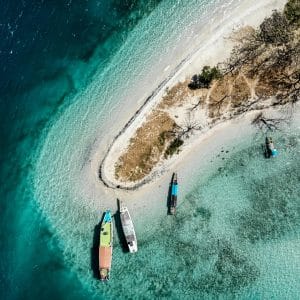
The Comoros, officially known as the Union of the Comoros, is a small island nation located in the Indian Ocean, off the eastern coast of Africa. Comprising three main islands—Grande Comore (Ngazidja), Mohéli (Mwali), and Anjouan (Nzwani)—and several smaller islets, this archipelago is a hidden gem with rich culture, history, and natural beauty. Despite being one of the least visited countries in the world, the Comoros offers a unique experience for those who seek tranquility, adventure, and a taste of unspoiled tropical paradise.
Geography and Natural Beauty
The Comoros islands are of volcanic origin, resulting in dramatic landscapes featuring lush green hills, pristine beaches, and rugged mountains. Grande Comore, the largest island, is home to Mount Karthala, an active volcano and the highest point in the country. Its fertile slopes are covered in tropical rainforests, offering opportunities for hiking and exploration.
The islands are surrounded by crystal-clear waters, coral reefs, and abundant marine life, making them a haven for snorkelers and divers. Mohéli, the smallest of the three islands, is particularly known for its ecotourism opportunities. The Mohéli Marine Park is a protected area where visitors can observe sea turtles, dolphins, and whales in their natural habitats.
Anjouan, often referred to as the “Perfume Island,” boasts fragrant ylang-ylang plantations and clove fields that contribute to the islands’ economy and unique cultural identity. Together, these islands create a picturesque setting that appeals to nature lovers and adventure seekers alike.
A History of Trade and Influence
The history of Comoros is shaped by its strategic location at the crossroads of the Indian Ocean. For centuries, the islands served as a hub for maritime trade between Africa, the Middle East, and Asia. Arab, Persian, Indian, and African traders brought their goods, customs, and religions to the Comoros, creating a melting pot of cultures.
The influence of Arab traders led to the widespread adoption of Islam, which remains the dominant religion in the Comoros today. By the 19th century, the islands came under French colonial rule, eventually gaining independence in 1975. The blending of African, Arab, and French influences is evident in the nation’s language, traditions, and architecture.
Culture and People
Comorian culture is a vibrant mix of African, Arab, and Malagasy influences. The official languages are Comorian (Shikomori), Arabic, and French. Comorian is a Bantu language written in Arabic script, reflecting the islands’ historical connections to the Arab world.
Islam plays a central role in daily life, shaping social customs, celebrations, and governance. Weddings and religious festivals are significant cultural events, often marked by traditional dances, music, and feasts. Taarab music, a melodic blend of Swahili, Arab, and Indian influences, is a popular art form on the islands.
The people of Comoros are known for their hospitality and close-knit communities. Family is central to social life, and communal gatherings are common. Despite economic challenges, the Comorian people take pride in their heritage and traditions, which continue to thrive in modern times.
Economy and Challenges
The economy of Comoros is primarily based on agriculture, fishing, and remittances from the Comorian diaspora. The islands are major producers of ylang-ylang, vanilla, and cloves, which are highly valued in the global market for their use in perfumes and spices. Fishing and subsistence farming also provide livelihoods for much of the population.
Tourism in Comoros remains underdeveloped compared to neighboring islands like Mauritius and Seychelles, but it holds immense potential. The country’s unspoiled natural beauty and rich cultural heritage offer unique opportunities for eco-tourism and sustainable development.
Despite these strengths, Comoros faces significant challenges, including political instability, limited infrastructure, and economic dependency on imports. Efforts are being made to address these issues, with support from international organizations and initiatives aimed at boosting local industries and education.
Natural Attractions and Activities
Comoros is a paradise for nature enthusiasts and adventure travelers. The islands offer a variety of outdoor activities, from hiking and birdwatching to diving and snorkeling. The waters around Comoros are teeming with marine life, including vibrant coral reefs, sea turtles, and whale sharks.
Mount Karthala is a popular destination for trekkers, offering stunning views of the island and the Indian Ocean. Mohéli Marine Park provides an eco-friendly adventure, allowing visitors to experience the beauty of marine conservation firsthand. Anjouan’s lush forests and perfume plantations offer opportunities for exploration and cultural immersion.
For those seeking relaxation, the islands’ beaches are serene and uncrowded, with soft white sand and turquoise waters. Whether you prefer adventure or tranquility, Comoros has something to offer.
Food and Culinary Traditions
The cuisine of Comoros reflects the islands’ multicultural heritage. Dishes often feature fresh seafood, rice, coconut, and locally grown spices. One popular dish is langouste à la vanille, a flavorful lobster dish cooked with vanilla. Pilao, a spiced rice dish, and mkate wa ndizi, a banana bread, are other local favorites.
Tea is a common beverage, often served with cardamom or cloves for added flavor. Meals are typically communal, reflecting the importance of togetherness in Comorian culture. Visitors to the islands can savor the unique flavors and culinary traditions that make Comorian cuisine distinct.
The Comoros is a destination of extraordinary beauty and cultural richness. Its landscapes, from volcanic peaks to coral reefs, are a testament to nature’s splendor, while its people and traditions reflect centuries of cultural exchange and resilience. For travelers seeking an off-the-beaten-path experience, the Comoros offers an opportunity to explore unspoiled natural beauty, vibrant culture, and a slower pace of life that invites reflection and connection.