
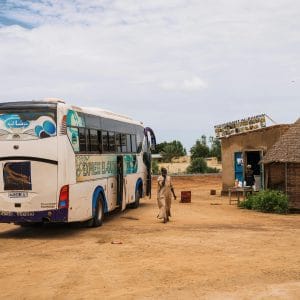
Chad, officially known as the Republic of Chad, is a landlocked country located in north-central Africa. Known for its diverse landscapes, rich cultural heritage, and resilient people, Chad offers a unique glimpse into the heart of Africa. The country is bordered by Libya to the north, Sudan to the east, the Central African Republic to the south, Cameroon and Nigeria to the southwest, and Niger to the west. Despite its challenges, Chad stands out as a country of immense potential, with vibrant traditions and natural wonders that reflect its deep-rooted history and geographical diversity.
Geography and Climate
Chad’s geographical features are as varied as its cultural makeup. The country is often described as having three distinct zones: the Sahara Desert in the north, the Sahel region in the center, and the more fertile savannas in the south. This diverse geography makes Chad a land of contrasts, with arid deserts, lush wetlands, and rolling grasslands coexisting within its borders.
One of Chad’s most famous natural features is Lake Chad, a critical freshwater source and an ecological lifeline for millions of people in the region. Although the lake has significantly shrunk in size due to climate change and human activity, it remains a vital resource for agriculture, fishing, and trade.
The climate varies significantly across Chad. The northern Sahara region experiences extremely hot and dry conditions, while the Sahel and southern areas have a tropical climate with distinct wet and dry seasons. This variation supports a wide range of ecosystems and agricultural practices.
A Rich Historical Legacy
Chad’s history dates back thousands of years, with archaeological evidence indicating the presence of early human settlements in the region. The Tibesti Mountains in the north contain rock art and carvings that are remnants of ancient civilizations. These artifacts tell the story of a time when the region was more fertile and supported a vibrant human presence.
Throughout its history, Chad has been a crossroads of trade and culture. Empires and kingdoms, such as the Kanem-Bornu Empire, flourished in the region, benefiting from trans-Saharan trade routes that connected North Africa to sub-Saharan Africa. These historical connections have left a lasting impact on the country’s culture and traditions.
In the modern era, Chad was colonized by France in the late 19th century, becoming part of French Equatorial Africa. The country gained independence on August 11, 1960. Since then, Chad has faced periods of political instability and conflict, but efforts toward peace and development continue.
Culture and People
Chad is a melting pot of ethnic groups and cultures, with over 200 distinct ethnicities and languages. This diversity is reflected in the country’s customs, music, clothing, and cuisine. The two official languages are French and Arabic, but many people speak indigenous languages such as Sara, Kanuri, and Toubou.
Religion plays an important role in Chad’s cultural identity. The population is roughly divided between Islam, practiced predominantly in the north and east, and Christianity, which is more common in the south. Traditional beliefs are also practiced in various forms, often blending with the major religions.
The people of Chad are known for their resilience and strong community ties. Festivals, dances, and storytelling are integral to social life, serving as a way to preserve traditions and foster a sense of unity.
Natural Beauty and Wildlife
Chad’s natural beauty is one of its most compelling features. The Ennedi Plateau, a UNESCO World Heritage Site, is a stunning desert landscape filled with sandstone formations, arches, and ancient rock art. This remote region offers a glimpse into Chad’s geological and cultural history.
Zakouma National Park, located in the southeastern part of the country, is a haven for wildlife and a growing ecotourism destination. The park is home to elephants, lions, giraffes, and a variety of bird species. Conservation efforts in Zakouma have been successful in reviving animal populations and protecting the region’s biodiversity.
The Tibesti Mountains in the north are another natural gem, attracting adventurers and researchers with their dramatic peaks, volcanic craters, and unique flora and fauna. These mountains are also culturally significant to the Toubou people, who inhabit the region.
Economy and Challenges
Chad’s economy is largely based on agriculture, livestock, and oil production. The majority of the population relies on subsistence farming and herding, with crops like millet, sorghum, and cassava forming dietary staples. The discovery of oil in the early 21st century brought new opportunities for economic growth, but challenges remain in ensuring equitable distribution of resources.
Despite its natural wealth, Chad faces significant challenges, including poverty, limited infrastructure, and climate change. The shrinking of Lake Chad has had a profound impact on livelihoods, exacerbating food insecurity and resource conflicts. Efforts to address these issues are underway, with international organizations and local communities working together to promote sustainable development.
Food and Culinary Traditions
Chadian cuisine reflects the country’s cultural diversity and agricultural practices. Meals often consist of grains, vegetables, and meat, with spices and seasonings adding flavor. One popular dish is boule, a dough-like food made from millet or sorghum that is often served with sauces made from meat, vegetables, or legumes.
Grilled meats, such as lamb or goat, are common, especially during celebrations. Fish, sourced from Lake Chad, is another staple, often prepared as a stew or grilled. Tea and local beverages are enjoyed in social settings, highlighting the importance of hospitality in Chadian culture.
Education and Development
Education in Chad faces significant challenges, including limited access to schools, especially in rural areas, and a lack of resources such as textbooks and trained teachers. Gender inequality in education is also a pressing issue, with fewer girls than boys attending school and completing their studies.
Despite these obstacles, there is growing recognition of the importance of education for the country’s future. Government initiatives and international support aim to improve access to education, enhance teacher training, and provide resources for students.
Chad is a country of remarkable diversity, resilience, and untapped potential. Its landscapes, cultures, and history offer a unique window into the heart of Africa. While the nation faces challenges, the strength and determination of its people provide hope for a brighter future. Whether exploring its natural wonders, learning about its rich traditions, or understanding its role in regional history, Chad stands as a testament to the enduring beauty and complexity of Africa.