
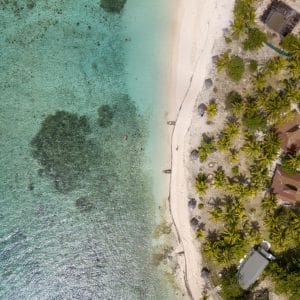
Fiji, an archipelago in the South Pacific, is composed of more than 300 islands known for their lush landscapes, stunning coral reefs, and vibrant culture. Renowned for its rugged landscapes, palm-lined beaches, and coral reefs with clear lagoons, Fiji encapsulates the romance of a remote tropical paradise while boasting a thriving multicultural community.
Geography of Fiji
The two major islands, Viti Levu and Vanua Levu, contain the majority of Fiji’s population. Viti Levu hosts Suva, the capital, which is a bustling urban center with a blend of modern buildings and traditional colonial architecture. The geography of Fiji is marked by its volcanic mountains and warm tropical waters, which make it an ideal habitat for a wide variety of sea life and a popular destination for snorkelers and divers.
Climate
Fiji enjoys a tropical marine climate, which is warm all year round, with minimal extremes in temperatures. The best months to visit are typically from April to early October, during the dry season, which offers lower humidity and less rainfall. The wet season begins in late November and ends in April, coinciding with the cyclone season, which can see heavy rains and strong winds.
History
The first settlers in Fiji arrived from other parts of Melanesia approximately 3,500 years ago. European contact was first recorded in the 17th century with the arrival of Dutch explorer Abel Tasman, and was later visited by British explorers such as James Cook. Fiji became a British colony in the late 19th century, gaining independence in 1970. Today, Fiji is known for its stable government and vibrant economic life, which is largely driven by tourism and sugar exports.
Culture and Society
Fiji’s population is diverse, with indigenous Fijian and Indo-Fijian communities making up the majority of the populace. The culture is a colorful tapestry of Indian, Fijian, Chinese, and European influences, reflected in the food, language, and daily life. English, Fijian, and Hindi are widely spoken, which facilitates a rich exchange of ideas and traditions among the locals and visitors.
Traditional Fijian society is very community-oriented and places great importance on family and social connections. Music, dance, and storytelling are deeply ingrained in Fijian culture, with community events and festivals often centered around these activities. The ‘Meke’ performance, which incorporates traditional dance and storytelling, is a vital part of any celebration and a profound expression of Fijian heritage.
Economy
Fiji’s economy is among the most developed of the Pacific island economies, though it still relies heavily on tourism and sugar exports. The government has made significant efforts to diversify the economy through fisheries and light manufacturing. Despite its small size, Fiji plays a crucial role in regional Pacific affairs through its central location and as a hub for transportation and communication.
Tourist Attractions
Fiji offers a plethora of attractions and activities for tourists. The soft coral reefs are among the best in the world, providing spectacular diving opportunities in places like the Astrolabe Reef. The Sabeto Hot Springs and Mud Pool near Nadi provide a therapeutic experience in an outdoor setting.
For those interested in history and culture, the Fiji Museum in Suva offers insights into the island’s archaeological, political, and cultural history, housed within the Victorian-era Thurston Gardens. The Garden of the Sleeping Giant near Nadi is famous for its beautiful orchids and landscaped gardens, a testament to Fiji’s lush flora.
Adventurous visitors can explore the Sigatoka Sand Dunes National Park, which offers archaeological insights into Fiji’s past with its ancient burial sites and pottery shards, or engage in eco-tours that explore the islands’ unique ecosystems.
As travelers explore the natural beauty and engage with the local culture, they often find themselves captivated by the warmth and welcoming spirit of the Fijian people. Fiji not only offers a stunning escape into nature but also provides a vibrant cultural experience that resonates with visitors long after they leave.