
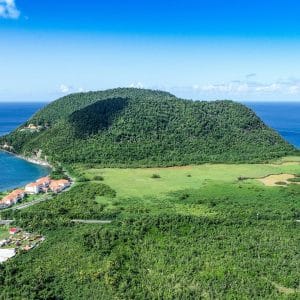
Nestled in the Lesser Antilles region of the Caribbean, Dominica stands apart as a haven of natural beauty and ecological diversity. Often confused with the Dominican Republic, Dominica is an independent island country famously known as the “Nature Isle of the Caribbean” due to its lush landscape and rich biodiversity. Its commitment to preserving its natural environment makes it an attractive destination for eco-tourists and nature enthusiasts.
Geography of Dominica
Dominica is a mountainous Caribbean island nation with natural hot springs and tropical rainforests. Its area covers about 290 square miles, making it slightly larger than New York City. The island features dramatic volcanic landscapes with the highest peaks in the Eastern Caribbean and is home to several protected areas that offer untouched natural beauty. Dominica’s coastline is lined with steep cliffs and has few sandy beaches, which has kept the island relatively untouched by the massive tourist developments seen in other parts of the Caribbean.
Climate and Environment
The climate in Dominica is tropical and humid with minimal seasonal change, which sustains its dense rainforests and extensive natural flora and fauna. The island faces a wet season from June to October and is often subject to severe weather, including hurricanes. The rich volcanic soil and abundant rainfall support its over 1,200 plant species. Dominica is also home to the world’s second-largest hot spring, Boiling Lake, located in the Morne Trois Pitons National Park, a UNESCO World Heritage site.
History and Culture
Dominica was first sighted by Europeans in 1493 during Christopher Columbus’s second voyage. The island’s name is derived from the Latin word for Sunday, the day on which Columbus first saw it. Dominica’s history is marked by several centuries of colonization by the French and British, gaining independence from the latter in 1978. The island’s cultural fabric is a rich mosaic influenced by African, French, British, and Carib (Kalynago) heritage. Music and dance, particularly genres like reggae, jazz, and cadence-lypso, play a vital role in Dominica’s cultural expressions.
Economy and Development
Agriculture, particularly banana production, played a crucial role in Dominica’s economy; however, in recent decades, the government has been promoting eco-tourism and geothermal energy as key economic drivers. Dominica is known for its efforts in promoting sustainable living and has initiated numerous environmental programs aimed at preserving its biodiversity. The island is also exploring the potential of becoming a major exporter of geothermal energy due to its volcanic activity.
Tourist Attractions
Dominica’s rugged landscapes and extensive natural parks make it a prime destination for adventurers and nature lovers. Activities such as hiking, bird watching, snorkeling, and scuba diving are prolific, particularly around the coral reefs and the island’s unique underwater hot springs. The Morne Trois Pitons National Park offers stunning attractions like the Boiling Lake, the Emerald Pool, and Trafalgar Falls, drawing tourists who are keen on experiencing nature in its most raw and untouched form.
Dominica also hosts several cultural festivals which are a draw for tourists, including the World Creole Music Festival and the colorful Carnival celebrations known as Mas Domnik, which are deeply rooted in African and French traditions.
As Dominica continues to preserve its environmental treasures while welcoming visitors from around the globe, it embodies a commitment to sustainable tourism and conservation. This small island offers a compelling blend of natural wonders and vibrant culture, making it a unique jewel in the Caribbean.